

Alice Springs presents one of the most demanding environments for landscape and agricultural planning in Australia. With extreme heat, low rainfall, and variable soil conditions, creating reliable water delivery systems is not optional—it’s essential. Irrigation System Design in this region must respond directly to climate realities rather than follow generic templates used elsewhere.
This article explores proven methods, planning principles, and modern approaches that work specifically for Alice Springs. Whether you manage a residential garden, commercial landscape, or rural property, understanding how irrigation systems are adapted to local conditions will help ensure long-term performance and sustainability.
Understanding the Alice Springs Environment
Alice Springs sits in a semi-arid zone where evaporation rates are high and rainfall is unpredictable. Summer temperatures frequently exceed 40°C, placing significant stress on plants and water infrastructure alike. These conditions mean Irrigation System Design must prioritise efficiency, durability, and precision.
Key environmental challenges include:
Rapid moisture loss from soil
Hard, compacted, or sandy soil profiles
Limited water availability
Seasonal plant stress
Ignoring these factors often leads to system failure, water waste, or plant loss.
Site Analysis as the Foundation
Before any equipment is selected or trenches are dug, a detailed site assessment is critical. Successful Irrigation System Design in Alice Springs always begins with understanding the land itself.
Important elements of site analysis include:
Soil texture and infiltration rate
Slope and drainage patterns
Sun exposure and shaded zones
Existing vegetation and root depth
This information determines how water should be applied, how long irrigation cycles should run, and which delivery methods will be most effective.
Choosing the Right Irrigation Method
Different areas of a property often require different irrigation approaches. A one-size-fits-all solution rarely works in arid climates. Smart Irrigation System Design uses a combination of methods tailored to plant needs and soil conditions.
Drip Irrigation
Drip systems deliver water directly to the root zone, reducing evaporation and runoff. This method is particularly effective for trees, shrubs, and garden beds.
Micro-Sprays
Used selectively, micro-sprays can support ground cover and lawn areas while maintaining controlled water distribution.
Subsurface Irrigation
In some applications, subsurface systems reduce surface evaporation even further and protect irrigation lines from heat damage.
Each method plays a role when integrated correctly into an overall Irrigation System Design.
Zoning for Efficiency
Zoning is one of the most important principles in arid-region irrigation planning. Grouping plants with similar water needs ensures they receive appropriate irrigation without waste. Proper zoning improves system efficiency and simplifies management.
In Alice Springs, effective Irrigation System Design typically separates:
Lawns from native plants
Shallow-rooted plants from deep-rooted trees
Sun-exposed zones from shaded areas
Without zoning, overwatering and underwatering occur simultaneously across the same property.
Water Scheduling and Timing
When water is applied can be just as important as how it is applied. Evaporation rates peak during the middle of the day, making early morning or late-night irrigation essential. Modern controllers play a key role in adaptive Irrigation System Design.
Advanced scheduling strategies include:
Seasonal adjustment settings
Soil moisture-based timing
Short cycle, soak-based watering
These approaches prevent runoff while ensuring moisture penetrates deeply into the soil.
Materials Built for Harsh Conditions
Extreme temperatures place constant stress on pipes, valves, and emitters. Durable materials are a non-negotiable aspect of Irrigation System Design in Alice Springs.
High-quality systems typically use:
UV-stabilised polyethylene piping
Heat-resistant fittings
Pressure-regulated emitters
Choosing appropriate materials reduces maintenance needs and extends system lifespan.
Sustainability and Water Responsibility
Water efficiency is not just practical—it’s essential. Responsible Irrigation System Design aligns with broader water management goals and environmental protection.
Authoritative guidance on sustainable water use in Australia is provided by the Australian Government’s Department of Agriculture, Fisheries and Forestry, which outlines best practices for efficient water management in arid regions.
Designing systems that minimise waste helps protect limited water resources while supporting healthy landscapes.
Integrating Native and Climate-Appropriate Plants
Plant selection directly affects irrigation performance. Native and drought-tolerant species require significantly less water once established. Integrating these plants into Irrigation System Design reduces long-term demand and simplifies system operation.
Benefits include:
Reduced irrigation frequency
Improved resilience during heatwaves
Lower stress on infrastructure
This approach supports both sustainability and visual appeal.
Maintenance Planning from Day One
Even the best system will fail without maintenance. Effective Irrigation System Design accounts for long-term upkeep by ensuring accessibility and ease of inspection.
Key maintenance considerations:
Flush points for drip lines
Easily accessible valves
Clear system mapping
Planning for maintenance during design prevents costly repairs later.
Common Mistakes to Avoid
Many irrigation issues in Alice Springs stem from designs copied from cooler or wetter regions. Avoiding these mistakes is crucial for success.
Frequent problems include:
Oversized sprinklers causing runoff
Poor pressure regulation
Ignoring soil variability
Thoughtful Irrigation System Design avoids these pitfalls through localised planning rather than generic layouts.
The Role of Technology
Smart controllers, moisture sensors, and weather-based systems are becoming standard components of modern Irrigation System Design. These tools allow systems to respond automatically to changing conditions.
Technology improves:
Water efficiency
Plant health
System reliability
When used correctly, automation enhances rather than complicates irrigation management.
Long-Term Performance and Adaptability
Landscapes evolve over time. Trees grow, shade patterns change, and water needs shift. Flexible Irrigation System Design allows for future adjustments without major reconstruction.
Expandable zones, modular components, and adaptable scheduling ensure systems remain effective for years to come.
Planning for Community and Commercial Landscapes
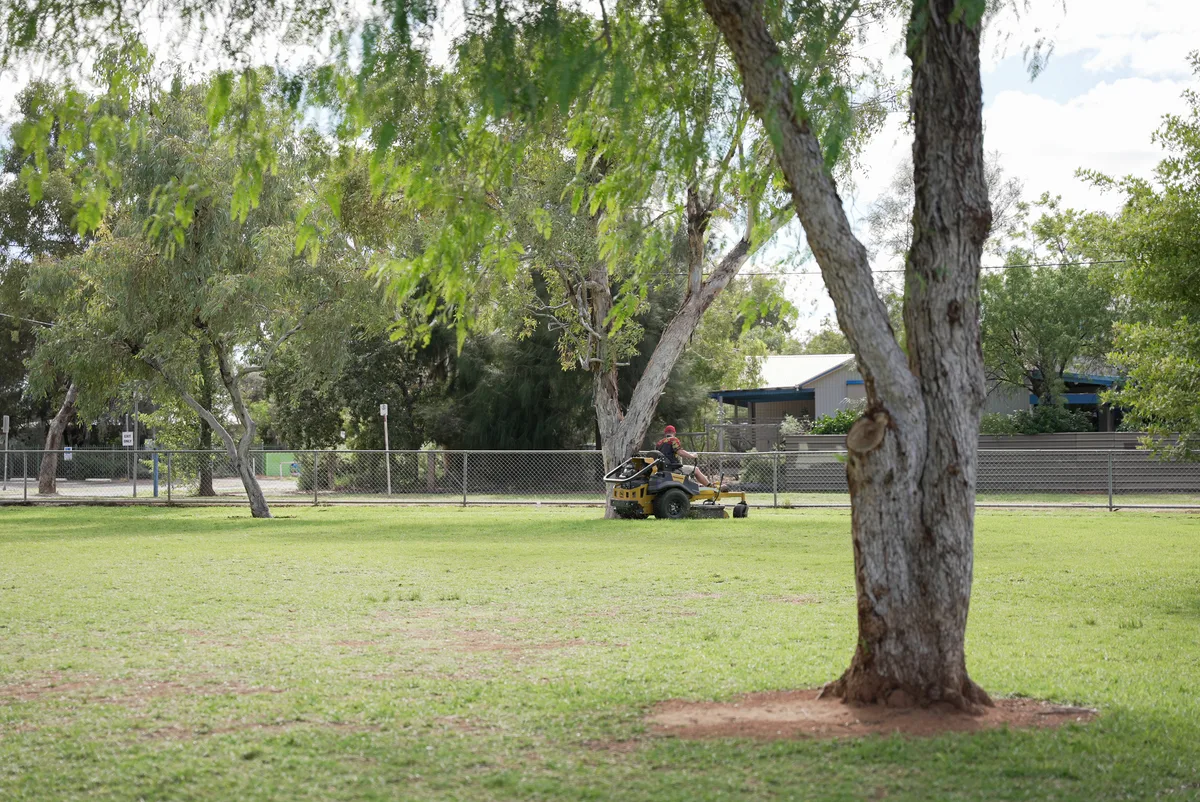
Beyond residential use, irrigation planning plays an important role in public spaces, schools, parks, and commercial developments across Alice Springs. These environments often combine turf, native plantings, and high-traffic areas, each with different water and durability requirements. Clear documentation, system mapping, and staff training help ensure long-term reliability in these settings. Designing with scalability in mind also allows systems to adapt as landscapes expand or change use over time. Thoughtful planning at this level supports healthier green spaces, reduces strain on local water resources, and contributes to more resilient urban environments in arid regions.
Reliable Irrigation for Arid Landscapes
Designing irrigation systems for Alice Springs requires a deep understanding of climate, soil, and plant needs. When planned correctly, Irrigation System Design supports healthy landscapes while conserving one of the region’s most valuable resources—water.
By focusing on efficiency, durability, and local conditions, irrigation systems can thrive even in the harshest environments.
Frequently Asked Questions
- Why is irrigation planning different in Alice Springs?
Extreme heat, low rainfall, and high evaporation rates require tailored approaches that differ significantly from coastal or temperate regions.
- What irrigation method works best in arid climates?
Drip and micro-irrigation systems are often most effective due to precise water delivery and reduced evaporation.
- How often should irrigation systems be reviewed?
Seasonal checks are recommended, with adjustments made for temperature changes, plant growth, and rainfall patterns.