

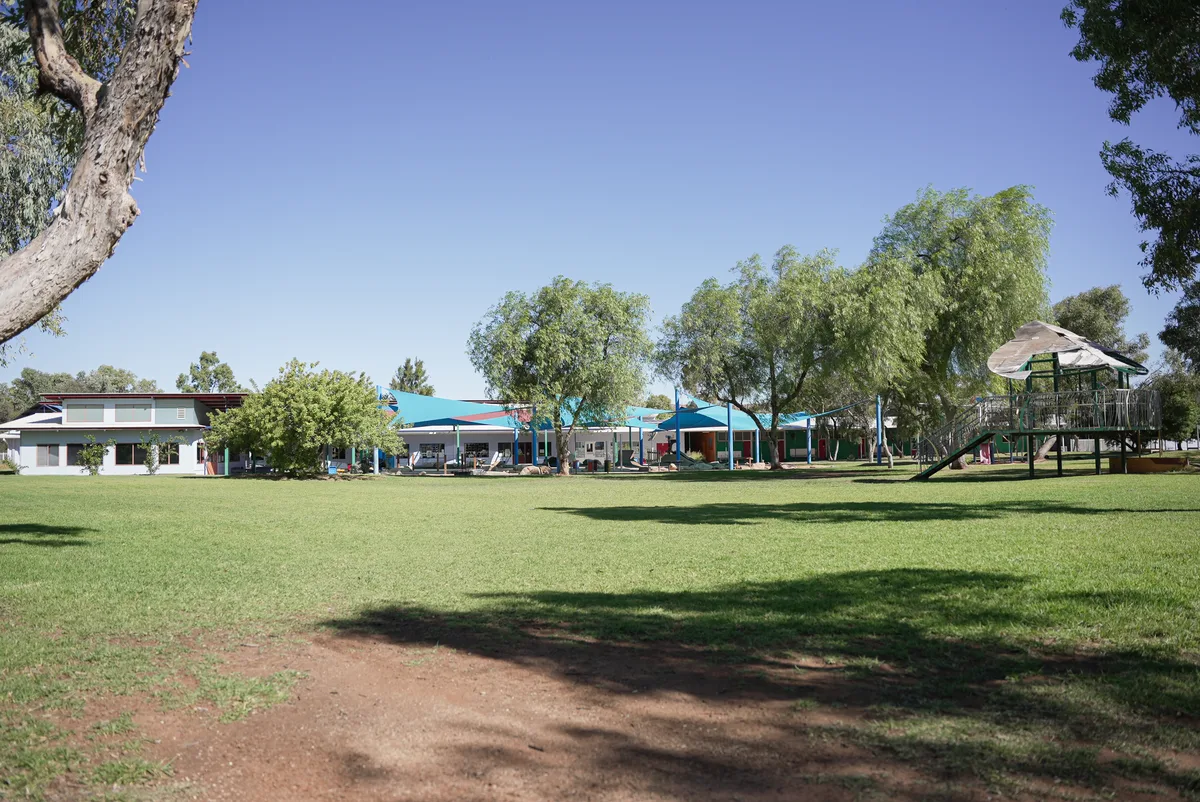
Planning Garden Landscaping in a desert-influenced environment requires thoughtful design, climate awareness, and practical plant choices. Whether you are refreshing an outdoor area or starting from scratch, proper planning helps create a visually appealing and functional landscape suited to local conditions.
A well-structured Garden Landscaping approach blends creativity with environmental understanding. By considering soil, weather patterns, plant selection, and layout harmony, you can create an outdoor space that remains attractive and manageable throughout the year.
Climate Awareness Comes First
Understanding regional weather patterns is essential before starting Garden Landscaping. The area experiences strong sun exposure, dry conditions, and occasional temperature extremes. These factors influence plant survival, irrigation planning, and material selection.
Wind direction, seasonal rainfall variation, and shade patterns should guide early planning decisions. A climate-aware approach ensures that landscaping elements remain resilient and sustainable.
Building a Clear Landscaping Vision
A structured plan is the foundation of successful Garden Landscaping. Begin by defining how you want the outdoor space to function. Some homeowners prefer relaxation zones, while others focus on greenery, pathways, or native plant displays.
Sketching a layout helps visualize balance between open areas, vegetation, and structural features. Thoughtful placement improves both usability and visual harmony.
Soil Preparation and Ground Conditions
Healthy soil plays a central role in effective Garden Landscaping. Desert regions often have sandy or mineral-rich soil, which influences plant selection and irrigation practices.
Improving soil texture through organic matter, proper drainage planning, and mulching techniques supports root health and plant longevity. Testing soil conditions early helps avoid later complications.
Choosing Suitable Plants and Greenery
Plant selection determines the success of Garden Landscaping in warm, dry environments. Native or climate-adapted plants usually perform better because they tolerate heat and require less intensive care.
Combining shrubs, ornamental grasses, ground covers, and hardy flowering plants can add color and texture while maintaining ecological balance. Layered planting also improves visual depth.
Water Management Strategies
Water efficiency is a critical consideration in Garden Landscaping within arid climates. Drip irrigation systems, mulching, and strategic plant grouping help conserve moisture.
Positioning plants with similar water needs together promotes healthy growth. Efficient irrigation design supports sustainability while keeping landscapes vibrant.
Layout Design and Functional Zones
A balanced layout strengthens the impact of Garden Landscaping. Consider pathways, seating areas, shade structures, and focal features such as rock arrangements or decorative elements.
Clear zoning ensures smooth movement through the space while maintaining visual continuity. Functional planning improves usability without compromising aesthetics.
Trusted Environmental Guidance
For reliable environmental landscaping information, consult this official resource.
Such authoritative guidance supports informed decisions about native vegetation, sustainability practices, and environmental stewardship.
Sustainability and Eco-Friendly Practices
Modern Garden Landscaping increasingly focuses on sustainability. Using native plants, water-efficient irrigation, and organic soil improvement methods promotes environmental harmony.
Recycled materials, natural stone, and eco-friendly design choices can enhance durability while maintaining a natural appearance. Sustainability contributes to long-term landscape stability.
Maintenance Planning for Lasting Results
Ongoing care is essential after completing Garden Landscaping. Regular pruning, soil monitoring, seasonal adjustments, and irrigation checks help preserve plant health and visual appeal.
Consistent maintenance routines prevent small issues from becoming major challenges and keep the landscape thriving.
Seasonal Adaptation and Climate Response
Seasonal awareness strengthens Garden Landscaping outcomes. Adjust planting schedules, watering patterns, and shading solutions according to seasonal variations.
Observing how plants respond to weather changes helps refine future landscaping decisions and improves overall resilience.
Common Planning Mistakes to Avoid
Avoiding typical errors improves the success of Garden Landscaping. Overcrowding plants, ignoring sunlight direction, or selecting incompatible species can create long-term challenges.
Careful research, gradual implementation, and observation reduce the risk of design imbalance or plant stress.
Using Modern Tools and Techniques
Technology can enhance Garden Landscaping planning. Digital layout tools, irrigation timers, and soil monitoring devices support efficient landscape management.
These tools help maintain consistency, improve water distribution, and support plant health across varying conditions.
Creating a Long-Term Landscape Vision
A forward-thinking mindset benefits Garden Landscaping projects. Consider how plants will grow over time, how shade patterns will shift, and how outdoor needs may evolve.
Planning for gradual development ensures the landscape remains adaptable and visually cohesive.
Enhancing Outdoor Comfort in Alice Springs
Comfort plays a big role in outdoor design success. Shade structures, natural wind barriers, and thoughtful seating placement can transform a basic yard into a welcoming retreat. In warmer climates, pergolas, native trees, and vertical greenery can reduce heat exposure while improving visual appeal. Orientation also matters — positioning seating where natural airflow exists can improve usability throughout the year. Adding textured surfaces, subtle lighting, and balanced plant groupings helps create a relaxing environment that supports both daily enjoyment and social gatherings.
Native Biodiversity and Environmental Balance
Supporting local biodiversity strengthens ecological stability and creates a more vibrant outdoor environment. Native plants encourage pollinators, birds, and beneficial insects that contribute to natural balance. This reduces dependency on artificial interventions while improving overall landscape resilience. Incorporating diverse plant heights, flowering cycles, and natural materials promotes visual richness and habitat support simultaneously. Over time, this balanced approach enhances sustainability while maintaining a natural, regionally appropriate appearance.
Long-Term Adaptability and Future Planning
Outdoor spaces evolve as plants mature and lifestyle needs change. Planning for flexibility ensures the area continues to serve its purpose effectively. Allow adequate spacing for plant growth, consider future shade expansion, and design pathways that can accommodate adjustments. Modular features such as movable seating or adaptable garden zones allow gradual refinement without major disruption. Observing how the space performs across seasons helps guide ongoing improvements and ensures lasting functionality.
Final Thoughts on Smart Outdoor Planning
Successful outdoor planning blends environmental awareness, creativity, and ongoing observation. Thoughtful preparation, appropriate plant choices, and sustainable design principles help create an outdoor space that remains visually appealing and practical over time. Consistent monitoring, seasonal adjustments, and a willingness to refine the layout contribute to long-term satisfaction. When planning is guided by climate understanding, ecological balance, and functional design, the result is an outdoor environment that supports relaxation, usability, and environmental harmony while continuing to evolve naturally with changing needs.
Frequently Asked Questions (FAQs)
1. What is the first step in planning a landscape?
Start with climate understanding, soil assessment, and a clear design vision. This creates a strong foundation for all future decisions.
2. Which plants work well in warm regions?
Native and drought-tolerant species typically adapt best to hot climates and require less intensive maintenance.
3. How important is irrigation design?
Efficient irrigation supports plant health, conserves water, and improves landscape sustainability.