

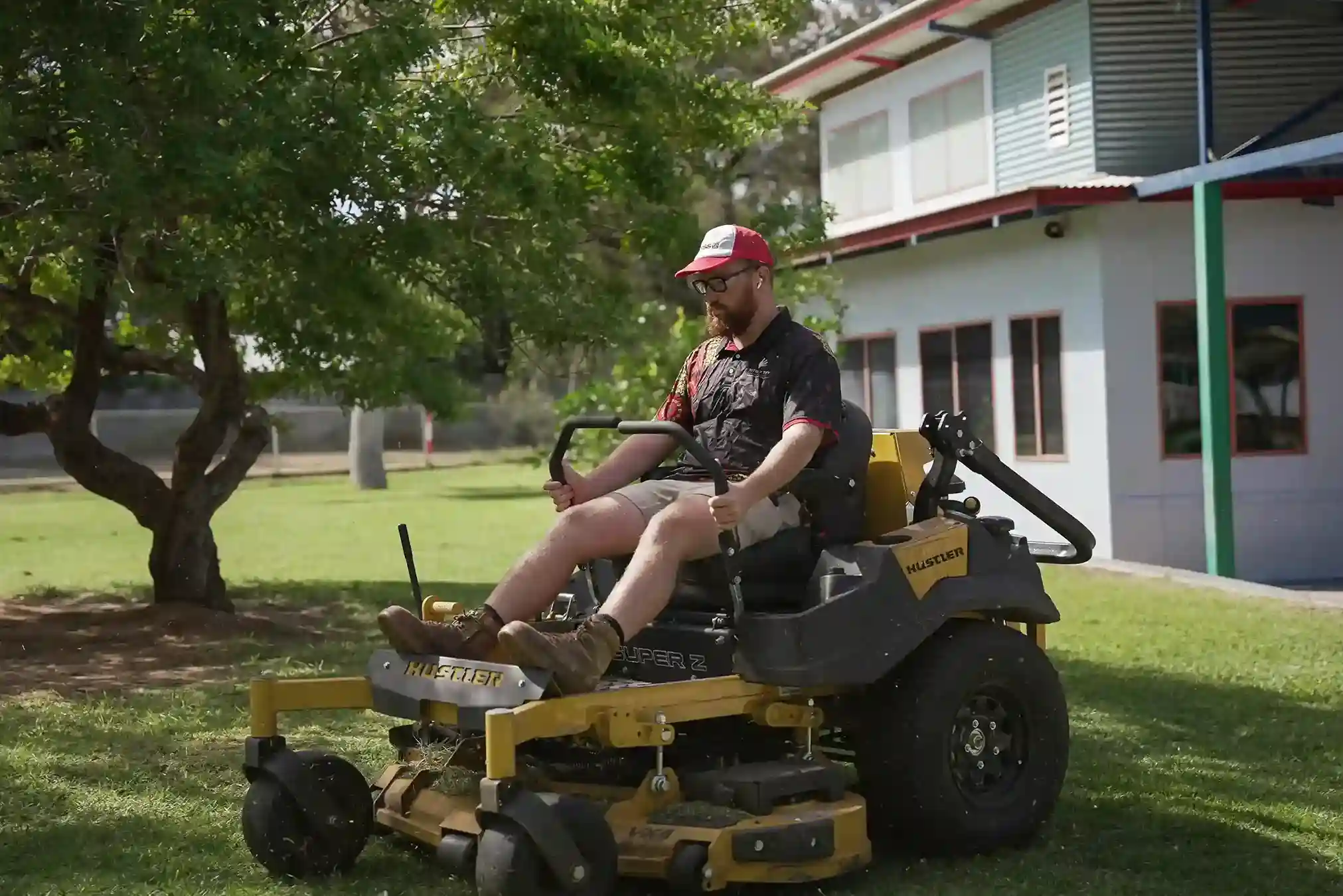
Hot winds roll across red soil. Dust settles overnight. Lawns fight hard for every drop of water. Gardens either thrive with intention or quietly surrender. Out here, yards do not maintain themselves. They respond to attention. Or neglect.
Keeping up with monthly yard maintenance isn’t just about ticking boxes; out here in Central Australia, it’s a way of life. Maintaining a consistent routine is critical to preserving a yard’s aesthetic appeal and health during extreme weather conditions.
Many properties in Alice Springs share similar challenges: dry climate, sandy soil, sharp temperature swings, and limited rainfall. Yet the way each yard handles those conditions depends on consistent care. Skipping a month quickly shows. Plants stress. Irrigation clogs. Lawns thin out.
This guide walks through practical, grounded steps for reliable monthly yard maintenance in Alice Springs. Not theory. Not fancy landscaping dreams. The focus is on providing practical and consistent maintenance that is effective in the harsh desert environment.
Why Alice Springs’ Climate Demands a Unique Yard Care Approach
The Red Centre runs on extremes. Summer heat presses down hard and long. Winter nights dip sharply. Rain arrives unpredictably, often in short bursts that either flood or barely settle the dust.
Anyone applying coastal yard habits here quickly learns that the environment does not cooperate. Soil behaves differently, evaporation rates spike, and plant stress appears faster than expected. Homeowners relocating from Darwin or Adelaide often overwater in the first year. It seems logical: more water equals healthier plants. But desert soil drains quickly, and nutrients wash out just as fast.
Turf roots grow shallow under constant surface watering, which leaves them weaker during dry spells. Monthly adjustments prevent that slow decline that most people only notice once sections of lawn turn straw-colored.
Soil Health, Compaction Issues, and Nutrient Loss in Arid Ground Conditions
Desert soil carries a sandy structure that drains fast and compacts under pressure. Driveways, footpaths, and even casual backyard foot traffic create hardpan areas where water runs off instead of soaking in.
Many clients assume their irrigation system is failing when, in reality, the soil beneath is too compact to absorb evenly. Aeration becomes part of practical monthly yard maintenance. It should not only be done every few years. It needs regular attention in high-traffic areas.
Breaking up compaction improves root growth and reduces runoff. It also lowers the chance of puddling during rare heavy rain, which can undermine paving or fencing foundations.
Fertilizing requires care. High nitrogen feeds push growth too aggressively during heat, creating weak blades prone to scorching. Slow-release blends suit this region better, yet they must be applied in measured quantities. Over-fertilizing here wastes money and can burn turf. Nutrient management in arid soil demands restraint rather than enthusiasm.
Lawn Performance Under Extreme Heat and Water Restrictions
You’ve got to be realistic about lawns in Alice Springs. That bright emerald green you see on the coast is going to fade when the summer heat hits, unless you want to spend a fortune on water
If you can live with a bit of seasonal color change, you’ll save a lot of money and stress on your pipes. Irrigation timers often get set once and forgotten. That approach rarely works here. Monthly yard maintenance includes recalibrating watering duration based on temperature shifts.
Early morning cycles prevent evaporation loss. Evening watering increases fungal risk if overdone. Balance requires observation, not habit.
Mowing height matters more than many realize. Cutting too short exposes soil directly to the sun, accelerating moisture loss. Leaving grass slightly longer during hot months protects roots. Many homeowners chase a neat, tight cut for appearance. The result usually means extra water use and more frequent patch repairs.
Signs Monthly Yard Maintenance Is Being Neglected
- Uneven lawn colour
- Irrigation overspray
- Persistent weeds
- Soil erosion
- Cracked hardscape
Small signs indicate deeper issues. Addressing them monthly avoids restoration costs.
Irrigation System Realities and Hidden Failures That Surface Late
Underground leaks usually stay hidden. A subtle drop in pressure, a slightly soggy patch, or rising water bills hint at problems developing below ground. Without routine inspection, small cracks widen. Repairs then involve excavation, not just tightening a fitting.
Drip systems clog faster than expected in dusty environments. Fine sediment builds up inside emitters, reducing flow unevenly. Some plants thrive while others decline. Monthly flushing and filter cleaning prevent that imbalance. Skipping this step for a season often results in uneven growth that looks like disease but traces back to restricted water flow.
Timer malfunctions also occur more frequently than assumed. Power surges, battery failure, or outdated programming lead to missed cycles. The system may appear active while sections remain dry. Consistent checking avoids the surprise of dead patches that require reseeding or replacement.
Native Plants Versus Ornamental Selections and Their Maintenance Trade-Offs
Natives are built for Central Australia, so they don’t need nearly as much water once they’ve settled in. They handle the heat and crappy soil way better than any imported plant. Just keep in mind they aren’t totally hands-off—you still have to put in the work with watering and soil prep early on.
Ornamentals look wonderful, but they’re high-maintenance. You’re looking at way more pruning, fertilizing, and constant fiddling with the watering. We often see people pick them for the looks, only to scale back later when the water bills and the time commitment start to bite. It’s always a trade-off.
Monthly yard maintenance must align with plant selection. Installing high-maintenance varieties in an already time-poor household leads to decline. Matching lifestyle capacity with landscape design prevents frustration later.
Hardscape Care and Structural Elements During Monthly Yard Maintenance
People often overlook paving, retaining walls, and edging until they notice visible cracks. Temperature swings in Alice Springs cause expansion and contraction. Small gaps widen if debris collects inside. Regular sweeping and inspection reduce structural stress.
Dust storms are notorious for clogging up drainage channels. Making it a point to clear them out during your monthly yard maintenance stops water from sitting near your foundations. If you let it pool, you’re just asking for structural issues and a crop of weeds in every damp corner.
Outdoor timber features suffer under constant sun exposure. Applying protective treatments periodically extends lifespan. Ignoring them for a year often leads to splitting or fading that requires sanding and resealing rather than simple maintenance.
Cost Breakdown of Monthly Yard Maintenance
Task | Estimated Monthly Cost (DIY) | Professional Service |
| Lawn mowing | $0 (own equipment) | $60–$120 |
| Irrigation check | Minimal | $80–$150 |
| Weed control | $20–$50 | $90–$180 |
| Garden pruning | Time-based | $100–$250 |
Cost Planning and the Financial Reality of Ongoing Yard Upkeep
Doing it yourself saves a few bucks on labor, but it eats up your weekends. Many people underestimate just how much time monthly yard maintenance takes in this climate. By the time you’ve checked the irrigation and finished pruning, a quick mow has easily turned into a two-hour ordeal.
Professional services provide consistency, yet pricing reflects labor intensity. Rates vary based on yard size, plant density, and irrigation complexity. Skipping services for a few months to cut costs often leads to larger corrective work later, which costs more overall.
Budgeting annually rather than monthly provides a clearer perspective. Seasonal adjustments, occasional repairs, and replacement plants add up. Treating yard care as a fixed operational cost prevents financial surprises.
Common Mistakes Observed Across Residential and Rental Properties
The biggest mistake people make is overwatering. It feels like you’re doing the right thing, but you’re actually just training the roots to stay shallow and throwing money away. Then, once the water bill hits, people overcorrect by underwatering—leaving the lawn so stressed out it never quite bounces back.
Ignoring minor irrigation leaks until visible damage occurs often multiplies repair costs, particularly when failing to follow the Northern Territory Water Restrictions Guidelines. A simple early replacement fitting costs little, whereas delayed action can involve expensive trenching and soil replacement.
Rentals often get band-aid fixes rather than real care. Tenants usually just look at the surface, ignoring the systems underneath. Property managers who actually stay on top of structured monthly yard maintenance are the ones who avoid massive repair bills down the road.
Seasonal Adjustments and Adapting Maintenance to Weather Shifts
You have to stay sharp in the summer. When a heatwave hits, you might need to bump up the water slightly, but don’t go overboard.
It’s better to watch how the plants are actually reacting than to just follow a timer. Once winter rolls around, everything slows down, and you can finally back off on the mowing. Storm periods require inspection of drainage and soil stability. Heavy rainfall can erode beds or expose irrigation lines. Addressing these promptly prevents longer-term issues.
Transitional months between seasons present subtle challenges. Plants shift growth patterns, and watering needs fluctuate. Monthly yard maintenance during these periods relies on observation rather than routine.
Operational Friction and Practical Constraints That Affect Yard Care
Access limitations complicate maintenance. Narrow side passages restrict equipment movement. Larger machinery cannot always enter. Manual labor increases time and cost in such cases.
Water restrictions occasionally tighten unexpectedly. Planning ahead with drought-tolerant species reduces vulnerability. Reactive changes rarely work smoothly.
Supply shortages for certain fertilizers or irrigation components occasionally delay repairs. Having contingency materials available prevents prolonged system downtime.
Long-Term Strategy and Building Resilience Into Desert Landscapes
Sustainable landscapes in Alice Springs rely on thoughtful planning. Soil conditioning, native plant integration, and efficient irrigation systems create resilience.
Monthly yard maintenance becomes less reactive when foundational systems remain strong. Investing upfront in proper soil preparation and irrigation layout reduces ongoing corrections.
Patience plays a role. Landscapes evolve. Quick fixes rarely hold in harsh climates. Consistent attention, measured adjustments, and realistic expectations build yards that withstand extremes.
Conclusion
Proper monthly yard maintenance in Alice Springs is basically a shield against the desert. Keeping up with it ensures your watering is efficient, weeds stay gone, and your paths stay solid. Taking care of the small stuff now stops the expensive problems from showing up later.
Reliable upkeep transforms a yard into a resilient, attractive extension of the home. For dependable results tailored to local conditions, contact us today and keep the outdoor space thriving year-round.
FAQs
1. How often should monthly yard maintenance be done in Alice Springs?
Monthly yard maintenance should occur every four weeks due to extreme heat and dry soil conditions. Regular checks prevent irrigation failure, weed spread, and lawn stress. Consistency keeps outdoor spaces healthy year-round.
2. What is included in monthly yard maintenance services?
Usually, monthly yard maintenance covers the basics: mowing, weeding, pruning, and checking the pipes. A professional will also monitor soil health and drainage to ensure the stability of the entire yard over time.
3. Does monthly yard maintenance save money long-term?
Yes. Regular monthly yard maintenance prevents lawn replacement, irrigation repairs, and hardscape damage. Preventative care reduces major landscaping costs and supports property value in Alice Springs.