

Outdoor landscaping in Alice Springs requires a thoughtful approach that works with the region’s harsh climate rather than against it. By choosing drought-tolerant plants, efficient layouts, and durable materials, you can create a beautiful garden that stays attractive with minimal maintenance.
The key to a successful low-maintenance garden is balancing functionality with visual appeal. From water-wise planting to smart pathways and shaded outdoor spaces, outdoor landscaping solutions can help reduce upkeep while enhancing the overall look and usability of your yard.
Know Your Climate and Soil
Alice Springs sits at the heart of a dry, arid climate. Summers scorch (average January highs ~37°C) and winters can dip cool at night. Annual rainfall is low (~284 mm), and rain comes unpredictably, often in brief downpours. In practice, this means traditional lawns soak up too much water and wilt fast.
Instead, plan your landscape design around what thrives: rugged native trees, shrubs, and succulents that evolved here. A successful outdoor landscaping plan starts with understanding these natural conditions and selecting elements suited to the local environment.
Sun and Temperature: With ~300 sunny days a year, most areas bake in intense heat. Map your site to see where shade is most needed (e.g., west-facing walls). Use shade sails or pergolas so you can enjoy the yard in the afternoon, and plant a native tree or two to block the sun and reduce heat.
Soil Types: Much of Alice Springs has sandy, well-drained soil (often compacted clay patches). Amend poor soil with organic matter or mulch to retain moisture. Even in dry spots, adding compost can help plants survive those blistering summer afternoons.
Rainfall Management: When rain does fall, it’s often heavy. Include rock or gravel beds and gentle slopes so excess water soaks in or drains safely. This prevents erosion and helps recharge deep roots without floods.
Understanding these conditions is key. As one Australian gardening guide notes, locals “map the sun and identify where shade is needed” to save money and hassle later. In short, accept that Alice Springs isn’t Florida.
Design your outdoor garden knowing sun, heat, and sudden storms are part of the picture, and use outdoor landscaping strategies that work with the climate rather than against it.
Principles of Low-Maintenance Landscape Design
Good outdoor landscaping starts with smart planning. Think of it like editing a movie – trim the fat and focus on what matters. Here are the core principles:
Simplify Plant Palette: Less is more. Repeating two or three plant types across your garden creates visual rhythm and ties the design together. Avoid planting dozens of single shrubs randomly – that’s a maintenance nightmare. For example, using a single clump of grass or a small group of Grevilleas in spots creates impact without extra work.
Use Hardscape Wisely: Hard surfaces (paths, patios, gravel) do the heavy lifting. A striking rock bed or pebbled courtyard looks sharp and needs almost no upkeep. Local stone or concrete pavers can serve as long-lasting mulch – they suppress weeds and reflect heat. For a modern Australian look, consider materials chosen for “texture and longevity” (corten steel, rendered walls, timber screens) instead of high-maintenance ornamentals.
Zone Your Space: Divide your yard into functional areas – a shaded lounge, an open play patch, a shrub border, etc. Gravel walkways between zones help traffic flow and keep bare soil from compacting. Feature beds filled with hardy natives provide color and structure without overgrowth. This structured approach feels “deliberate and clean,” as designers say, and cuts down on random sprawl.
Minimalist Aesthetic: Today’s low-maintenance gardens often lean minimal. Pick 2–3 key materials (e.g., gravel, mulch, one paving tone) and 2–3 plant species. That keeps things cohesive. An expert recommends treating the garden like an art piece – give each element breathing room so it can be noticed.
Clever design means choosing size and placement wisely. A “well-designed concrete path” or a single statement plant can become the star, reducing the urge to clutter your yard with extras.
By focusing on form (structure, color blocks, lines) over a busy flower variety, you get style with half the effort. These outdoor landscaping strategies help create a functional, attractive space that remains easy to manage throughout the year.
Choosing Drought-Tolerant Plants
Plants are the heart of low-water garden landscaping. In Alice Springs, the winners are locals or similarly tough species. Use natives and succulents because “they reduce water demand while still delivering visual impact”. Here are some great picks:
- Kangaroo Paw (Anigozanthos spp.) – Vibrant red/yellow blooms on strong stalks. Bold color, and adapted to dry soil.
- Desert Grevillea (Grevillea eremophila) – A shrubby Grevillea with bird-attracting flowers. It’s a rugged native that thrives with little care.
- Bungarra Euphorbia or Eremophila – Silvery, sun-loving shrubs that flush with small colorful flowers or fruit. Great for front yard beds.
- Native Grasses (e.g., Lomandra “Tanika” or Spinifex) – Adds soft texture and movement. They form clumps that pretty much look after themselves.
- Cacti and Succulents – Not Australian natives (mostly), but very fitting in style. Think golden barrel cactus or agaves for architectural flair. They scream “desert garden” and survive on neglect.
- Bottlebrush (Callistemon spp.) and Grevillea shrubs – Tough evergreen shrubs with year-round interest. Both handle heat/drought and need only occasional pruning.
- Eucalyptus and Native Acacias (e.g., Ghost Gum, Mulga) – For trees, species like the iconic desert gum (Ghost Gum) and hardy acacias provide shade and habitat. They’ve mastered water conservation in the outback.
Native Australian plants (like this eucalyptus blossom) are front-runners for an Alice Springs garden: drought-hardy, low-maintenance, and honest to the landscape.
These choices tick the low-maintenance box. They’ve adapted to the local soil and erratic rain, so once established, they need little more than the occasional deep drink in a dry summer. As Fountainland notes, replacing thirsty ornamentals with “drought-tolerant species, particularly Australian natives, cuts water use significantly and reduces maintenance”.
Planting tips: Group plants by water needs (so you can drip-irrigate each zone together). Use quality mulch around them (woodchips or decorative gravel) to keep roots cool and weeds at bay. And remember to repeat your favourites – clones are easier to manage than dozens of unique types.
Hardscaping & Landscape Materials
Beyond plants, hardscaping (paths, walls, rocks) and hardscape groundcover can make or break maintenance. In Alice Springs, outdoor landscaping often relies on durable materials that can withstand the harsh climate while minimizing upkeep.
Gravel and Rock Gardens: These are quintessential in dry landscapes. A polished gravel courtyard or a border of red pebbles instantly looks clean and nearly maintenance-free. Use local stone or gravel colors that match the bush (red, tan, grey). Fountainland emphasizes using local rock “where possible” for authenticity and cost savings.
Stepping Stones and Pavers: Create clear walking routes with large flat stones or concrete pavers set into gravel or low-growing groundcover. This not only looks neat but also prevents soil compaction and erosion from foot traffic.
Patios and Decks: If you entertain outdoors, a shady patio is gold. Materials like timber decking or stone allow furniture placement without affecting plants. They also let water runoff handle itself naturally.
Mulch and Groundcovers: Cover all bare soil! Organic mulch (wood chips or bark) is perfect in planting beds – it retains moisture and turns into compost over time. In paths or open areas, decorative gravel works well. Both stop weeds, cool roots, and keep things tidy. A well-mulched garden bed “ties everything together, both visually and functionally,” notes a garden guide.
Container Gardens: Low-maintenance doesn’t mean plant-in-ground only. Large pots with succulents or tough plants can anchor a patio. Use self-watering pots or mulch on top for extra resilience.
The idea is simple: hard surfaces = low upkeep. A native garden bed with rocks takes constant care, but the same bed turned into a rock garden requires almost zero effort once set.
Combining gravel paths with a few hardy plantings (as shown in the table below) gives you a stylish, easy-care result. These outdoor landscaping choices help create a functional, attractive yard that stays neat with minimal ongoing maintenance.
| Feature | Native Garden | Gravel Landscape | Artificial Turf |
| Water Usage | Very Low | Minimal | None |
| Maintenance | Low (occasional prune) | Very Low (weed) | Low (cleaning) |
| Visual Style | Natural, layered look | Modern, sleek | Clean, uniform |
| Initial Cost | Moderate | Low | High |
By mixing these strategies – for example, a crushed-rock “river” around a grouping of grevilleas – you achieve a modern look without tending a lawn. Keeping materials neutral (grays, beiges, rust) also means it ages gracefully, saving you from constant refreshes.
Efficient Irrigation and Simple Maintenance
Even drought-tolerant gardens need occasional water and TLC. The goal is quality over quantity, and a well-planned outdoor landscaping strategy can make watering and upkeep far more efficient:
Drip Irrigation: Install drip or soaker hoses to give each plant just enough water at the roots. This beats sprinkler systems because it avoids waste and lowers disease. Timing matters: water early morning or late evening to reduce evaporation.
Grouping Plants: Put plants with similar needs together. That way, you won’t accidentally over-water a succulent or underwater a thirsty shrub.
Mulching: We’ve said it before because it’s that important. A 5–7 cm layer of mulch around everything locks in moisture, suppresses weeds, and keeps roots cool. Organic mulch also feeds the soil over time.
For additional Sustainable Garden Tips, homeowners can explore government resources on water-wise gardening and environmentally friendly landscape practices.
Low-Nutrient Soil: Many natives are used to poor soil. Fertilizer generally isn’t needed (and too much can hurt them).
Easy Tasks: With smart design, maintenance is minimal: trim once a year, check the irrigation occasionally, and re-mulch if needed. “Consistency and routine” matter most – little checkups beat one big weekend overhaul.
A seasoned gardener reminds that low-maintenance doesn’t mean no maintenance – it means wiser routines. For example, I (the author) always walk through my little yard after a rare rain, shake mulch back over bare spots, and that’s it. The plants themselves handle the rest. And when dry times come, one thorough soak each bed will often see them through the summer.
If you do hire professionals, ask about smart controllers or rain sensors for irrigation. Local expert Geoff Miers (featured on ABC’s Gardening Australia) often stresses letting plants “go dormant” in extreme drought and trusting species that handle it.
That said, budget for one new planting or mulch refresh every couple of years to keep things shipshape. These outdoor landscaping practices help ensure your garden remains healthy, attractive, and easy to manage year-round.
Front Yards, Backyards, and Landscaping Services
Whether it’s front yard or backyard landscaping, the same drought-smart rules apply. The front yard is often more formal – think framed entrances with structured native shrubs (like Westringia hedges or Grevillea bushes) – whereas the backyard can be more playful and private (zone it for BBQ, play area, and a garden lounge).
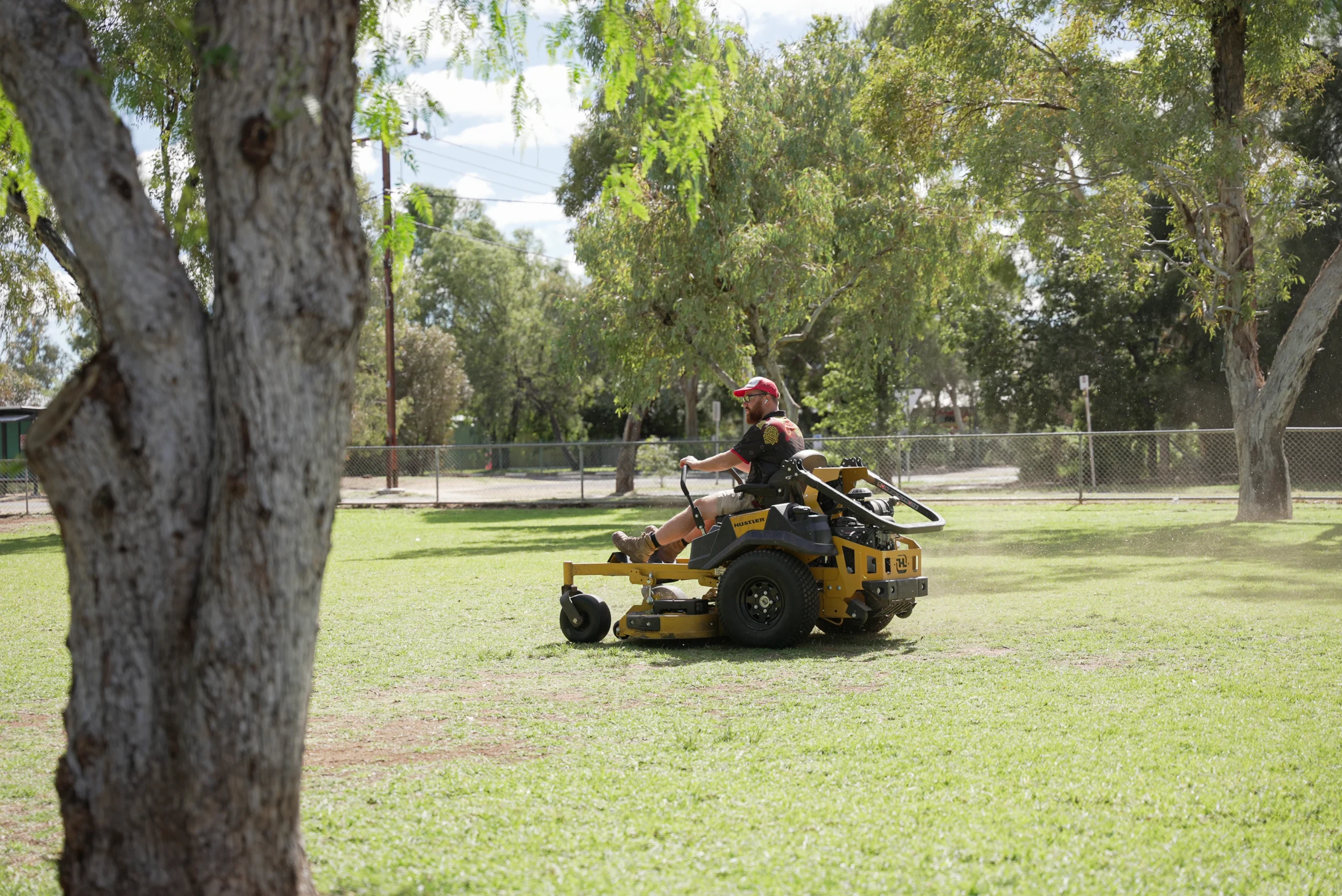
In both cases, swap water-guzzling turf for gravel, native groundcovers, or synthetic turf (in high-use areas) to save hours of mowing. Incorporating outdoor landscaping principles into these spaces helps create a cohesive, low-maintenance design that suits Alice Springs’ climate.
Looking for help? Many local landscaping services in Alice Springs now specialize in water-wise design. A professional landscaper or irrigation consultant can create a master plan, source hardy plants, and handle tough jobs like soil amendment or rainwater tank integration.
By planning smart from the outset, you’ll avoid the biggest mistake: “grass-only” designs. The fountainland blog notes that the days of wall-to-wall lawn are fading, replaced by gardens that “look better, cost less to maintain, and handle the Australian climate”.
Think of it this way: let the scenery (red gravel, eucalyptus smell, spiky succulents) do the talking, rather than a greening lawn that needs daily feeding and weekly mowing.
Your garden will feel more “considered and intentional,” as one front-garden tip suggests, especially when you add features like a self-contained water feature or lighting to highlight a native focal point. These outdoor landscaping ideas can enhance both curb appeal and functionality while keeping maintenance to a minimum.
Conclusion
Designing an outdoor landscaping masterpiece in Alice Springs is all about working with nature, not against it. By choosing the right plants, embracing hardscape features, and using water-savvy techniques, you create a garden that’s both beautiful and easy to live with. No more endless lawn care – instead you’ll have a vibrant, modern yard that thrives on neglect (okay, gentle neglect).
Ready to take the next step? Sketch out a layout, visit a local nursery for advice on hardy natives, or call a landscape designer to bring your vision to life. Whatever you do, remember: a low-maintenance garden is not boring – it’s clever. And the reward is huge: more time to enjoy relaxing in the shade, a yard that impresses year-round, and pride in a sustainable, fuss-free landscape.
Get started today: Pick one area of your yard, clear out any weeds or lawn, lay down some weed-mat or mulch, and plant a tough native or two. You’ll be amazed how quickly things take shape. Share your progress, ask questions, and enjoy the journey to a gorgeous, hassle-free garden that’s 100% Alice Springs.
Frequently Asked Questions
Q: What are the best low-maintenance plants for Alice Springs gardens?
A: Native plants such as grevilleas, bottlebrushes, kangaroo paws, and acacias are excellent choices for Alice Springs. Succulents and cacti also thrive in the dry climate and require very little water or upkeep.
Q: How often should I water a drought-tolerant garden?
A: Once established, most drought-tolerant plants only need deep watering every few weeks during hot weather. Drip irrigation and watering during cooler parts of the day help maximize efficiency.
Q: What’s the difference between backyard landscaping and front yard landscaping?
A: Front yard landscaping focuses on curb appeal and creating an attractive entrance, while backyard landscaping is designed for relaxation, entertainment, and everyday living. Both benefit from water-wise, low-maintenance design principles.
Q: What is landscape maintenance for a low-care garden?
A: Low-maintenance landscape care typically involves occasional pruning, checking irrigation systems, removing weeds, and refreshing mulch every year or two. These simple tasks help keep the garden healthy and tidy.
Q: Can I still use lawn or turf in a low-maintenance design?
A: Yes, but it’s best to limit lawn areas. Small sections of synthetic turf or hardy native grasses can provide greenery while reducing watering, mowing, and ongoing maintenance requirements.