

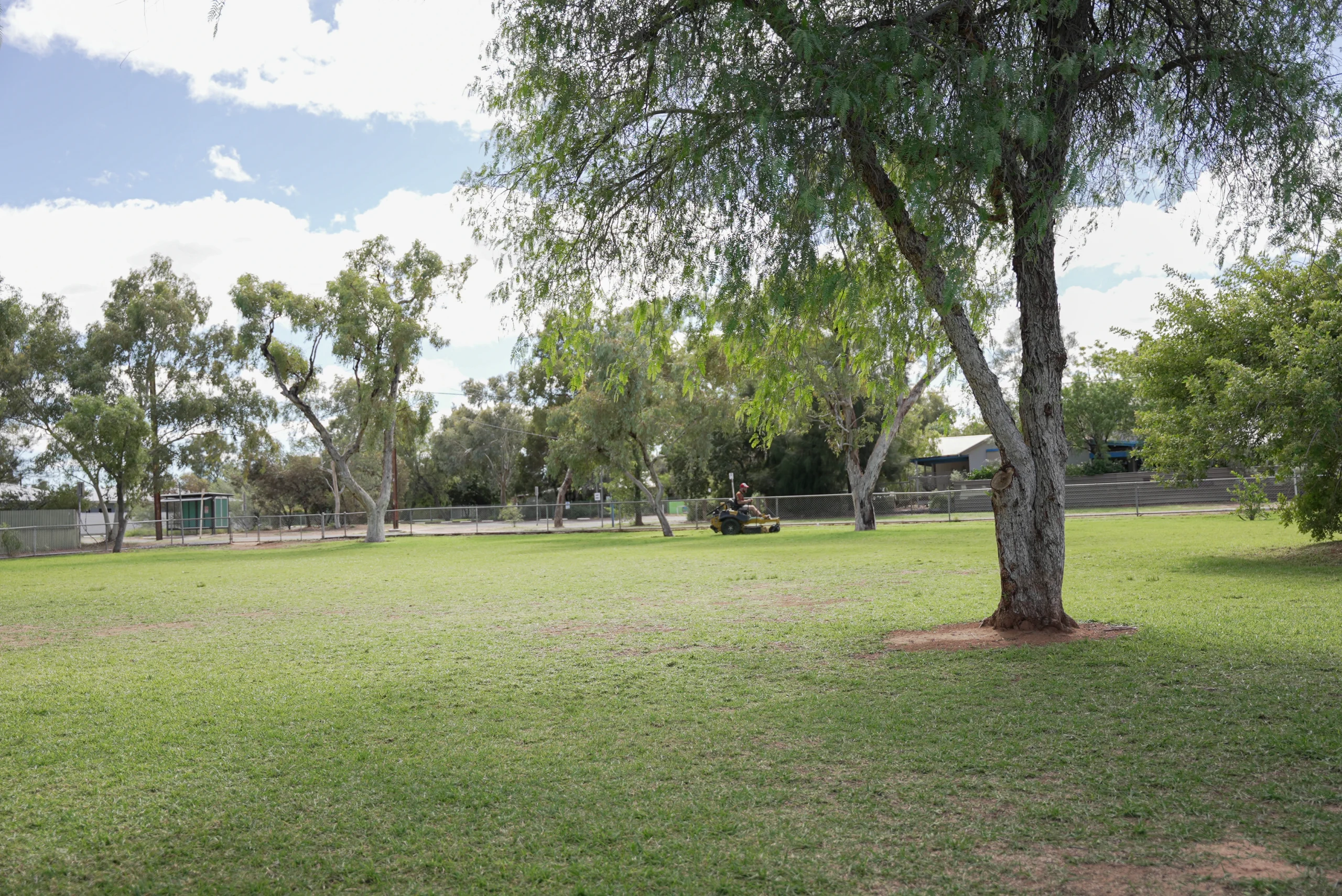
Tree removal is sometimes necessary when a tree becomes hazardous, diseased, storm-damaged, or too close to buildings and utility lines. Before taking action, property owners should assess the tree’s condition and understand any local regulations that may apply to its removal.
Planning ahead is essential for a safe and successful project. Whether dealing with a small backyard tree or a large mature specimen, proper tree removal practices help reduce safety risks, prevent property damage, and ensure the work is completed in accordance with local requirements.
Check Local Tree Removal Regulations and Permits
Many councils treat tree removal as a development issue. You usually need a permit to cut down or prune large or protected trees on private land. For example, the Sunshine Coast Council warns that you may need council approval to remove or prune trees on your property.
If you cut down a protected or mature tree without permission, you could face fines or be ordered to replant. Always check your local council’s rules before you start cutting any tree. Contact your council or visit its website to see if you need a permit or consent.
Prioritise Safety for Tree Removal
Safety is the top priority when removing a tree. Trees can be unpredictable – branches might snap, or the tree might fall the wrong way. Follow these safety tips:
- Wear protective gear: Always use a helmet, safety goggles, gloves, and sturdy boots.
- Check for hazards: Look for overhead power lines or unstable branches. If a tree is touching power lines, stop work immediately. Energy Safe Victoria advises contacting the utility company or council rather than cutting live cables yourself.
- Plan the fall direction: Decide which way you want the tree to fall. Clear the area of people, pets, vehicles and other obstacles.
- Make proper cuts: Use an undercut (notch) and a back cut to control the direction of fall.
- Keep people clear: Make sure no one stands in the drop zone or near the tree while you cut.
- Avoid bad weather: Don’t cut in high winds or heavy rain. A wet, windy day can turn a controlled cut into a disaster.
Proper planning and caution can turn a risky job into a safe one. If the tree is large, sick, or close to buildings or power lines, strongly consider calling a professional (see next section).
Hire Professional Tree Removal Services
When a tree is big or difficult to access, professional tree removal services are well worth it. Arborists and tree companies have the training, equipment and insurance to do the job safely. A good tree removal team will:
- Assess risks: They will secure the area and use techniques to minimise damage to your property.
- Use proper tools: Large jobs often require cranes, wood chippers and ropes to remove branches in pieces.
- Handle cleanup: Reputable services include stump grinding and debris removal in their quote.
The ACT Government recommends hiring qualified arborists. A professional should have at least a Certificate III in Arboriculture and carry proper insurance. It’s smart to get quotes from several providers. Ask each arborist about their experience and safety procedures. Beware of anyone who rushes you or lacks insurance.
Emergency Tree Removal and Storm Damage
Storms and accidents can create urgent tree problems. If a tree has fallen or is dangerously tilted after bad weather, act quickly but carefully:
- If the tree is an immediate hazard (on powerlines, blocking exits, threatening people), call 000 or emergency services first.
- Wear protective gear and use proper tools. Cut fallen branches into manageable pieces before moving them.
- Do not climb an unstable or partially fallen tree. Instead, work from the safest angle or call professionals.
- Secure the tree if possible: tying a rope by a helper can prevent a partial collapse.
- After cutting, remove debris methodically. Many councils run storm clean-up chipping programs.
- Check your home insurance: some policies cover tree removal after storm damage.
A quick, safe response to a fallen tree can prevent more problems. When it’s too big or risky to handle alone, hire emergency tree removal crews or arborists immediately.
Residential vs Commercial Tree Removal
Homeowners and businesses both face tree removal tasks, but the scale and rules can differ:
- Residential Tree Removal: Usually a single yard or garden. Decisions are made by the homeowner, but local permits may be needed for large or protected trees.
- Commercial Tree Removal: Often involves larger sites (parks, construction sites) and more trees. It usually requires detailed planning, permits and impact assessments.
| Factor | Residential | Commercial |
| Site Scope | Single yard or small property | Large development or multiple properties |
| Permit Process | Council permit if needed (protected trees) | Formal planning & environmental approvals |
| Equipment | Hand tools, ladders, small chainsaw | Trucks, cranes, multiple crews |
| Tree Types | Ornamental or common shade trees | Native species, heritage trees |
| Cost | Generally lower (smaller scale) | Higher (complex logistics and regulations) |
Whether you’re cutting a backyard gumtree or clearing an entire lot, follow the same safety steps. Larger projects often involve project managers and arborist reports. Always budget for professional help if the job is beyond simple pruning.
Tree Cutting Services and Maintenance
Preventative care can reduce the need for full tree removals. Regular pruning and inspections keep trees healthy and stable. Consider hiring tree maintenance services for scheduled care like pruning, fertilizing and health checks.
Before carrying out any pruning work, property owners should understand local requirements and follow council guidelines. Checking the Tree pruning rules can help ensure tree maintenance activities are completed correctly and in line with local regulations.
Tips for maintenance and minor cutting:
- Trim regularly: Schedule annual or biannual pruning to remove dead wood and keep branches from overgrowing into powerlines or roofs.
- Use professional services: For heavy branches or tall work, hire a tree cutting or maintenance service instead of risking DIY.
- Reuse wood: Compost or mulch cut branches, or ask your removal team to chip them on site.
- Monitor health: Watch for signs of disease or pests. Early detection can save a tree (or save you the trouble of emergency removal).
Well-maintained trees live longer and safer. By investing in regular tree maintenance, you often avoid sudden emergency tree removal later.
Safe Tree Removal Checklist
Follow these steps to handle tree removal safely and legally:
- Assess the tree: Confirm it truly needs removal (e.g. dead, diseased, storm-damaged, or posing a hazard).
- Check permits: Contact your local council about tree removal rules and apply for a permit if required.
- Plan the job: Clear the area, notify neighbors if needed, and plan escape routes.
- Use the right gear: Wear helmets, gloves and goggles. Use sharp chainsaws or saws rated for tree work.
- Call the professionals: For tall or complex trees, hire a certified arborist or tree removal service.
- Dispose properly: Arrange for stump grinding and haul away debris so your yard is safe and tidy.
By ticking off this checklist, you ensure your tree removal project goes smoothly and without surprises.
Conclusion
Removing a tree from your Australian property is a big task but completely manageable with the right approach. Always follow council rules, plan carefully, and put safety first. When needed, call in the experts – a qualified tree removal service can save you time and reduce risk.
If you’re unsure about any step, consult a certified arborist or your local council for advice. With these tips, you can manage tree removal confidently and keep your property safe.
Frequently Asked Questions
Q1: Do I need a permit to remove a tree on my property?
Yes, many areas require approval before removing certain trees, especially native or protected species. Always check your local council regulations before starting tree removal work.
Q2: How do I safely remove a fallen tree after a storm?
Wear protective equipment and avoid handling trees near power lines or unstable branches. For dangerous situations, contact emergency services or a qualified professional for safe removal.
Q3: Why should I hire a professional tree removal service?
Professional arborists have the right skills, equipment, and insurance to complete the job safely. They can reduce risks and ensure the work meets local safety requirements.