

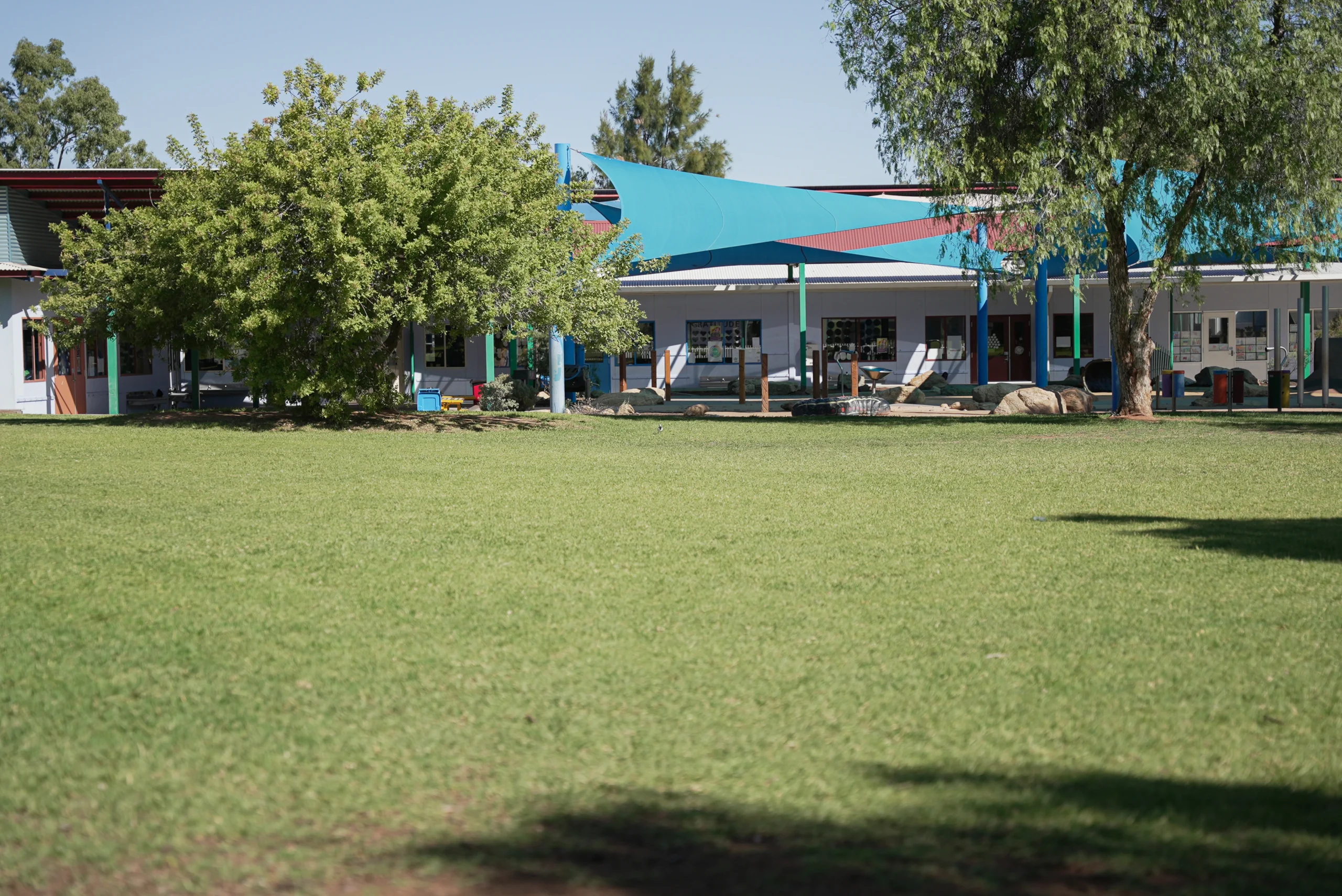
A neat outdoor area does more than improve the appearance of a property. It creates a space that feels welcoming, usable and cared for. However, keeping lawns, garden beds, hedges and paths in good condition takes regular attention. Without a consistent routine, grass becomes untidy, weeds spread quickly and overgrown plants can make the entire property look neglected.
This is where garden and grounds maintenance becomes important. Instead of waiting until the outdoor area needs a major clean-up, regular care helps keep small problems under control. Mowing, edging, pruning, weed removal, garden clean-ups and irrigation checks can all contribute to a healthier and more attractive outdoor environment.
Why Regular Garden Care Matters
A garden can change quickly, particularly in areas where plants, weeds and grass respond strongly to seasonal conditions. Leaving maintenance until everything looks overgrown can make the work more time-consuming and expensive.
Regular garden and grounds maintenance creates a simple routine for dealing with these changes. Lawn areas can be kept at a suitable height, garden beds can be cleared before weeds take over, and hedges can be shaped before they become difficult to manage.
Good maintenance also helps identify problems early. A dry patch of lawn may point to an irrigation issue, while yellowing leaves could indicate stress, drainage problems or unsuitable growing conditions. Spotting these signs early gives property owners a better chance of correcting the problem before the garden deteriorates.
What Does Garden and Grounds Maintenance Include?
Professional garden and grounds maintenance can cover several different tasks depending on the size, condition and requirements of the property.
For residential properties, routine care may involve lawn mowing, edging, whipper snipping, weed removal and general garden clean-ups. Larger grounds may also require hedge trimming, garden-bed maintenance, irrigation checks and ongoing vegetation management.
The important point is that maintenance should not be treated as a single task. A lawn may look freshly mowed, but untidy edges, overgrown hedges or weeds in garden beds can still make the property appear unfinished.
A balanced maintenance routine looks at the outdoor area as a whole.Explore garden maintenance services
Key Areas to Include in a Maintenance Routine
Different parts of a property require different types of attention. Creating a regular schedule makes it easier to avoid missing important tasks.
| Garden or Grounds Area | Recommended Maintenance | Main Benefit |
|---|---|---|
| Lawns | Mowing, edging and whipper snipping | Keeps grass neat and usable |
| Garden beds | Weed removal, pruning and clean-up | Improves appearance and plant health |
| Hedges | Regular trimming and shaping | Maintains structure and boundaries |
| Paths and edges | Clearing leaves, grass and debris | Creates a cleaner overall finish |
| Irrigation | Checking leaks, blockages and coverage | Supports efficient watering |
| Mulched areas | Weed removal and mulch top-ups | Helps conserve moisture and suppress weeds |
| Outdoor spaces | General clean-up and green-waste removal | Keeps the property presentable |
A maintenance routine does not have to be complicated. The key is consistency. When basic tasks are completed before they become major problems, outdoor areas are easier to manage.
Lawn Maintenance Should Be More Than Mowing
Lawn mowing is one of the most noticeable parts of garden and grounds maintenance, but mowing alone does not create a well-maintained lawn.
Edges around paths, driveways and garden beds can quickly become untidy. Grass may also grow into corners, around posts and along fence lines where a standard mower cannot reach. Whipper snipping helps deal with these difficult areas and creates a cleaner finish.
Mowing frequency should also reflect growing conditions. Grass can grow quickly during favourable periods and much more slowly during dry conditions. Cutting too much at once can place unnecessary stress on the lawn.
Keeping the lawn at an appropriate height, maintaining clear edges and removing excessive growth regularly can make the whole outdoor area look more organised.
Keep Garden Beds Under Control
Garden beds can become messy surprisingly quickly. Fallen leaves, dead plant material and weeds can build up around established plants, making it harder to see what belongs in the garden and what does not.
As part of garden and grounds maintenance, garden beds should be checked regularly rather than only cleaned when they become heavily overgrown. Removing weeds early is generally easier than dealing with mature plants that have already spread.
Mulching can also help reduce weed growth and protect the soil. The Australian Government’s YourHome guidance explains that mulch can reduce evaporation, limit weeds and help improve soil conditions when used appropriately.
Mulch should not simply be piled against plant stems or trunks. Correct application matters because excessive moisture around stems can contribute to plant problems.
Weed Control Needs Consistency
Weeds compete with desirable plants for water, nutrients and space. Once established, they can spread across garden beds, cracks, edges and other outdoor areas.
An effective garden and grounds maintenance routine includes regular weed inspections. Removing weeds while they are small can prevent them from becoming a much larger problem.
Mulching is another useful part of weed management. NSW Department of Primary Industries guidance notes that dense mulch can reduce the likelihood of weeds re-establishing, while also recommending that gardens are monitored regularly.
The type of weed also matters. Some weeds are easily removed by hand, while established or persistent growth may require a more considered approach. The goal should always be to control unwanted growth without unnecessarily damaging surrounding plants.
Hedge Trimming Improves Structure
Hedges can provide privacy, boundaries and visual structure, but they need regular trimming to remain attractive. When growth is allowed to continue for too long, hedges can become uneven, difficult to shape and harder to maintain.
Regular garden and grounds maintenance helps keep hedge growth under control. Light, consistent trimming can be easier to manage than waiting until branches have grown well beyond the desired shape.
Hedge maintenance should also consider the plant species and its growth pattern. Some plants respond well to frequent trimming, while others require a lighter approach.
A neatly maintained hedge can make a noticeable difference to the appearance of both residential and commercial grounds.
Irrigation Maintenance Should Not Be Overlooked
Watering is essential, but an irrigation system cannot be assumed to work correctly simply because it has been installed.
Blocked outlets, damaged pipes, leaking connections and poor coverage can result in some areas receiving too much water while others remain dry. Regular irrigation maintenance can help identify these problems.
As part of garden and grounds maintenance, irrigation systems should be checked for obvious leaks, blocked outlets and uneven watering. ACT Government guidance recommends checking irrigation systems regularly for even watering, blockages and leaks.
Good irrigation maintenance can also support more efficient water use. If a garden has different plants with different watering needs, separating areas into appropriate watering zones can be beneficial.
One Regular Schedule Is Better Than Occasional Big Clean-Ups
Many property owners only think about garden and grounds maintenance when the garden becomes visibly overgrown. The problem with this approach is that occasional large clean-ups can take considerably more time than smaller, regular visits.
A consistent schedule spreads the work across the year. Lawn growth can be managed before it becomes excessive, weeds can be removed while they are still small and hedges can be trimmed before they lose their shape.
Regular maintenance also makes it easier to notice gradual changes. A plant that is struggling, a damaged irrigation line or an area experiencing unusual weed growth can be identified sooner.
A Simple Maintenance Checklist
For property owners who want to keep outdoor areas under control, the following tasks provide a useful starting point:
- Check lawns for excessive growth, bare patches and untidy edges.
- Inspect garden beds for weeds, dead growth, fallen leaves and damaged plants.
- Trim hedges before growth becomes difficult to shape.
- Check irrigation outlets and hoses for leaks, blockages and uneven coverage.
- Remove garden waste and keep paths, driveways and outdoor areas clear.
- Review mulched areas and top them up when the existing material has broken down.
The frequency of each task will depend on the garden, weather conditions, plant types and amount of use. A property with extensive lawns may need more frequent mowing, while established garden beds may require closer attention to weeds and pruning.
How to Make Garden Maintenance Easier
The simplest way to approach garden and grounds maintenance is to stop treating every job as a separate emergency. Instead, think of maintenance as an ongoing process.
Start by identifying the areas that become untidy fastest. For some properties, this will be the lawn. For others, it may be garden beds, hedges or irrigation. Once these priorities are understood, a practical schedule can be created around them.
It is also useful to avoid putting off small tasks. A few weeds are easier to remove than a garden bed covered in mature weeds. A small hedge trim is easier than reshaping a hedge that has been left untouched for months.
Consistent care generally creates better results with less effort.
When Should You Consider Professional Help?
DIY maintenance can work well for smaller gardens, but larger properties can quickly become difficult to manage. Busy homeowners, landlords, commercial property managers and people with extensive outdoor areas may benefit from having regular support.
Professional garden and grounds maintenance can provide a more consistent approach to mowing, edging, weed control, hedging, garden clean-ups and irrigation checks.
It can also be useful when a property has become overgrown. Rather than trying to handle every task at once, professional assistance can help bring the garden back to a manageable condition and then maintain it through a regular schedule.
Creating a Better Outdoor Space Year-Round
A good-looking garden is rarely the result of one major clean-up. It usually comes from many small maintenance tasks completed at the right time.
Regular garden and grounds maintenance keeps lawns under control, garden beds cleaner, hedges shaped and unwanted growth managed. It also gives property owners an opportunity to identify irrigation and plant-health issues before they become more serious.
For Alice Springs properties, local conditions should also be considered when planning outdoor care. Hot and dry conditions can place additional pressure on lawns, plants and watering systems, making sensible maintenance particularly important.
The best routine is one that matches the property rather than following a one-size-fits-all approach.
Conclusion
Keeping an outdoor area attractive does not require constant attention, but it does require consistency. Garden and grounds maintenance brings together the everyday tasks that keep lawns, garden beds, hedges, paths and irrigation systems in better condition.
For property owners who do not have the time or equipment to stay on top of these jobs, professional support can make the process much easier. Totally Tidy provides garden and property maintenance services for Alice Springs and surrounding areas, with services designed around the needs of local properties.
If your outdoor area needs regular care or has already become difficult to manage, you can request a garden maintenance quote and discuss the requirements of your property.
Frequently Asked Questions
1. What is included in garden and grounds maintenance?
2. How often should garden maintenance be carried out?
3. Does mulching help reduce weeds?
4. Why is irrigation maintenance important?