

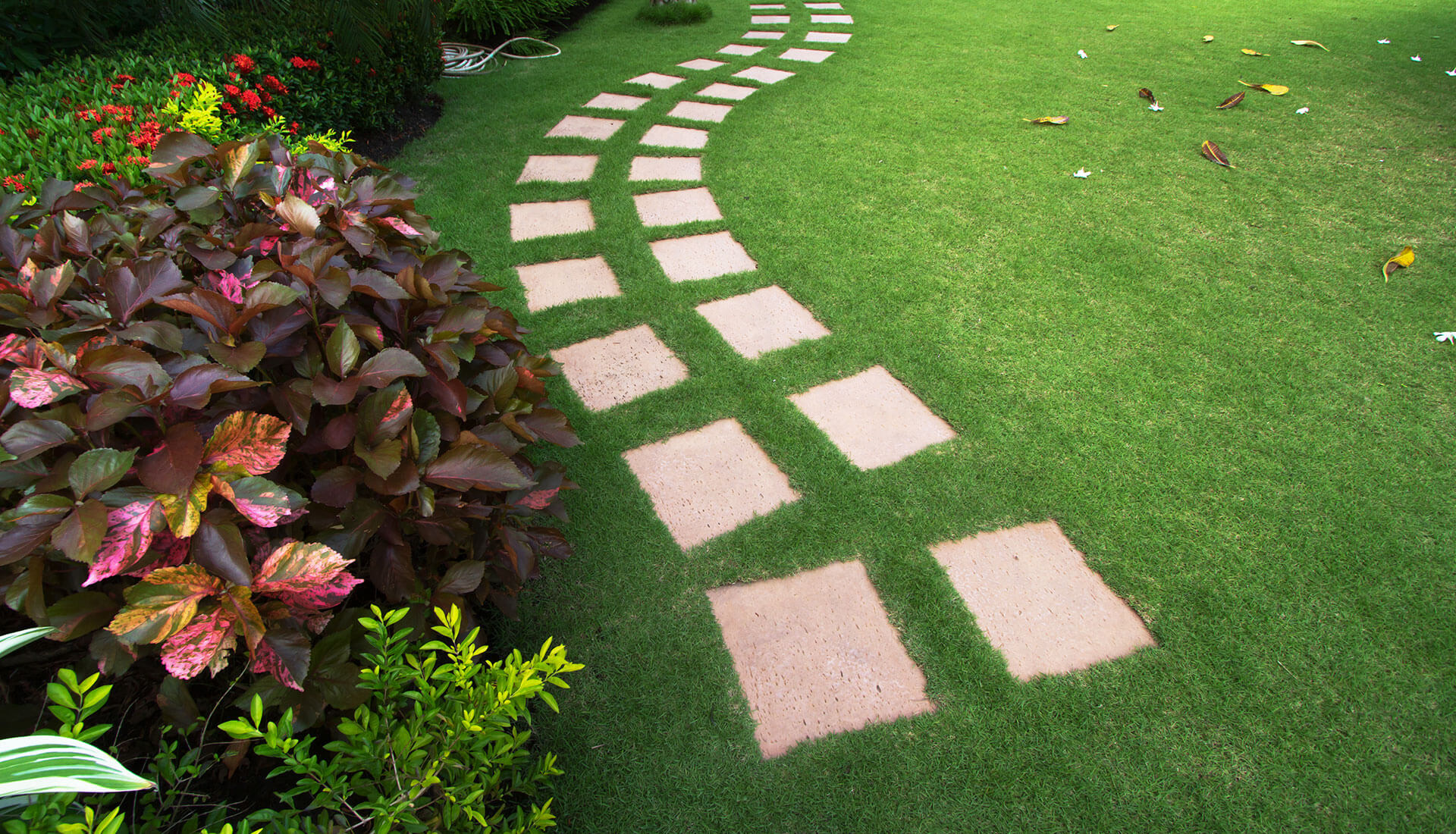
A good garden does not happen by accident. Someone has to decide where the lawn should go, which plants will cope with the weather, how water will reach the garden beds and how much work the property owner is willing to do later. In Alice Springs, these decisions matter even more because outdoor areas have to deal with heat, dry conditions and limited water.
That is where landscaping services can make a real difference. Landscaping is not simply about making a yard look attractive on the day the work is finished. The better approach is to create an outdoor area that suits the property and remains manageable as the plants grow and the seasons change.
Some homeowners want a simple lawn with a few garden beds. Others may need a complete garden clean-up, new planting, better irrigation or a more usable outdoor area. Commercial properties can have different requirements again. Whatever the project involves, planning the space properly at the beginning can save a lot of work later.
What Landscaping Really Involves
The word landscaping can sound like it refers only to large garden makeovers. In reality, it covers a wide range of outdoor work.
A landscaping project might involve preparing garden beds, planting shrubs, improving lawn areas, adding mulch, managing weeds, pruning existing plants or making changes to irrigation. Sometimes the job is mostly about improving what is already there rather than starting from scratch.
This is useful for older gardens. A property may have healthy plants but poor spacing, compacted soil or an irrigation system that no longer works properly. Removing everything and starting again is not always necessary. A few well-planned changes can make the area easier to look after.
The size of the job is therefore less important than what the property actually needs.
Why Landscaping in Alice Springs Needs Careful Planning
Alice Springs has conditions that can be tough on outdoor spaces. Long periods of heat and dry weather can place considerable pressure on lawns and plants. Water also needs to be used thoughtfully.
A garden designed without these factors in mind may become difficult to maintain. Plants can struggle, exposed soil can dry quickly and lawns may require more attention than expected.
Shade is another consideration. An area that receives strong afternoon sun will behave differently from a garden bed protected from the harshest part of the day. Even small differences around a property can affect plant growth.
For this reason, landscaping in Alice Springs should begin with the site itself. Before choosing plants or changing the layout, it helps to look at sunlight, drainage, soil, existing vegetation and access to water.
Choosing Plants That Suit the Property
Plant selection is one of those decisions that looks simple until you have to make it yourself.
A plant may look perfect at a nursery, but that does not mean it will be happy in every part of a garden. Sunlight, soil, watering requirements and available space all matter.
Native plants and drought-tolerant varieties can be useful choices for some Alice Springs gardens. They may be better suited to local conditions, although they still need to be matched with the right location.
The mature size of a plant is easy to overlook. A small shrub may fit neatly beside a pathway today but become a problem after several years of growth. Giving plants enough room from the start can reduce future pruning and prevent blocked access.
A mixed planting scheme can also make a garden feel more natural. Different heights, leaf shapes and textures can add interest without filling every available space.
Think About How the Garden Will Be Used
Before changing an outdoor area, consider what you actually want to do there.
A family with children may need an open lawn rather than a garden packed with planting. Someone who enjoys entertaining might want a clear route between the house and outdoor seating. A business may need an easy-to-maintain entrance that stays tidy throughout the year.
These practical details should influence the layout.
There is little value in creating a beautiful garden bed if it makes the only useful pathway awkward. Similarly, installing a large lawn can create unnecessary maintenance if nobody uses it.
The most successful outdoor landscaping usually starts with everyday use rather than appearance alone.
Important Elements to Consider
Different properties call for different combinations of features. A garden does not need every possible landscaping element to work well.
| Landscaping element | What it can add | What to consider |
|---|---|---|
| Lawn | Open space and a softer surface | Mowing, watering and grass suitability |
| Garden beds | Colour, texture and structure | Sunlight, soil and plant spacing |
| Mulch | Protection for exposed soil | Material, depth and regular upkeep |
| Irrigation | More controlled watering | Coverage, leaks and watering zones |
| Shrubs | Screening and garden structure | Mature size and pruning needs |
| Hedges | Boundaries and privacy | Growth rate and ongoing trimming |
| Native plants | Local character and planting variety | Species suitability for the site |
Looking at these features together can make planning easier. For example, a smaller lawn combined with well-placed garden beds may be simpler to maintain than a large grass area surrounded by scattered plants.
Irrigation Should Be Part of the Plan
Watering is often an afterthought when people plan a garden. It is better to consider it before the plants go in.
Different parts of a garden may need different amounts of water. A lawn will not necessarily have the same requirements as a mature tree or a shaded garden bed.
An irrigation system can be divided into zones so that watering is more controlled. Regular inspections are also worthwhile. A damaged fitting, blocked outlet or leaking pipe can waste water without being immediately obvious.
For local guidance, the Northern Territory Government’s Central Australian Ultimate Irrigation User Guide provides practical advice developed for gardens in the region and focuses on sensible water use in Central Australia’s dry climate.
This is particularly useful when planning outdoor landscaping because irrigation should support the garden without becoming an unnecessary source of water loss.
Mulch Can Make Garden Beds Easier to Manage
Mulching is a relatively simple job, but it can have a noticeable effect on garden beds.
A suitable layer of mulch helps cover exposed soil and can reduce the amount of moisture lost from the surface. It can also make a garden look more finished and help create a clearer boundary between planting areas and other parts of the yard.
Mulch is not a substitute for watering or good plant selection. It needs to be maintained and should be kept appropriately clear of plant stems and trunks.
The type of mulch can also affect the appearance of the garden. Choosing something that works with the surrounding landscape can make the finished space feel more consistent.
Don’t Forget the Existing Garden
A common mistake is assuming that every landscaping project requires removing what is already there.
Existing trees and established shrubs may provide shade, privacy or habitat that would take years to replace. Before removing them, consider whether they can be incorporated into the new layout.
Sometimes the better option is to clear unwanted growth around established plants and give the garden a more organised shape.
This approach can also reduce the amount of waste produced during a project. Keeping healthy plants where they already work well can make a redesign simpler and less disruptive.
When Does a Garden Need Professional Attention?
There are plenty of garden jobs that homeowners can handle themselves. A little mowing, pruning or weeding can be part of normal weekend maintenance.
A larger project can become more difficult, though. If the garden is heavily overgrown, irrigation is unreliable or plants have been placed without considering their eventual size, fixing one problem may reveal another.
Professional landscaping can be useful when there is uncertainty about what should happen next. An experienced team can look at the condition of the property, identify practical issues and help organise the work into manageable stages.
It can also be useful for people who simply do not have the time to maintain a large outdoor area.
Landscaping Is Not Finished When the New Plants Go In
This is worth remembering before starting any project.
A freshly planted garden may look excellent for the first few weeks. Plants then grow, weeds appear, lawns need mowing and irrigation outlets need checking. Without some form of maintenance, the original design can quickly lose its shape.
Regular care does not have to mean constant work. The frequency depends on the size of the property, plant selection and season.
A sensible maintenance routine might include mowing, edging, pruning, weed control, hedging, irrigation checks and occasional garden clean-ups. Keeping up with these smaller jobs is generally easier than waiting until everything becomes overgrown.
A Simple Maintenance Routine
- Check lawn edges and pathways for grass growth.
- Look over irrigation outlets for leaks or blocked sections.
- Remove weeds while they are still small.
- Trim shrubs and hedges when growth starts affecting paths or views.
- Check garden beds for exposed soil and refresh mulch when needed.
- Remove fallen branches and unwanted garden debris.
- Watch plants for changes in colour, growth or general condition.
The point is not to create another long list of household chores. A quick inspection every so often can help catch problems before they turn into larger maintenance jobs.
Residential Landscaping Services and Commercial Outdoor Areas
The priorities can be different depending on the property.
At home, landscaping often revolves around comfort. People may want somewhere pleasant to sit, enough lawn for children or pets, and garden beds that do not require constant attention.
Commercial properties tend to place more emphasis on presentation and consistency. An entrance with untidy grass, overgrown hedges or neglected garden beds can make the whole property appear poorly maintained.
In either situation, the basic idea remains the same. The outdoor area should suit the people using it and should be realistic to maintain.
Planning the Cost Before Work Begins
Landscaping costs can vary considerably because no two properties are identical.
The amount of existing vegetation, size of the area, condition of the soil, irrigation requirements and number of plants can all influence the final workload. Materials and ongoing maintenance also need to be considered.
Instead of looking only at the initial installation cost, think about what the garden will require over the next few years.
A design that costs slightly more initially but needs less watering, pruning and replacement planting may have a different long-term cost from a cheaper installation that requires constant attention.
Getting a clear scope of work before starting helps avoid confusion. It should be clear which areas are being changed, what maintenance is included and whether irrigation or waste removal forms part of the project.
Conclusion
Good landscaping is really about finding a sensible balance between appearance, use and maintenance. In Alice Springs, that balance also needs to account for heat, water and the conditions in which plants have to grow.
A well-planned garden does not need to be complicated. Suitable plants, sensible lawn areas, practical garden beds, efficient watering and regular maintenance can go a long way towards creating an outdoor space that remains useful and presentable.
If you are considering a garden improvement, clean-up, planting project or ongoing outdoor maintenance, Totally Tidy provides landscaping and garden care services for properties in Alice Springs. Visit the service page to explore the available options or request a quote to discuss what your property needs.