

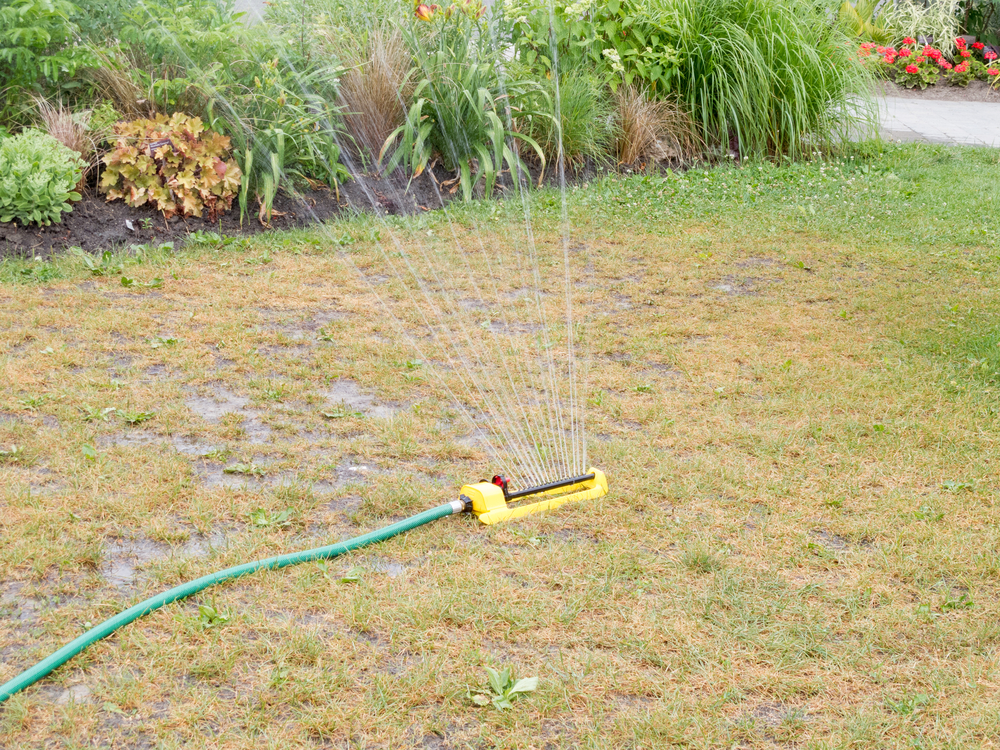
A garden can have healthy soil and suitable plants, but poor watering can still leave it looking tired. One garden bed may remain dry while another receives too much water. A sprinkler might cover the driveway instead of the lawn, or a small leak may continue unnoticed for weeks.
These problems are particularly important in Alice Springs, where water needs to be managed carefully. Long, hot periods can place extra pressure on gardens, while watering requirements change between summer and winter.
Choosing the right Garden Irrigation Solutions Alice Springs properties need is about more than installing a timer or connecting a hose. The system should suit the garden layout, soil conditions, plant types and available water supply.
A properly planned setup can make everyday watering easier, improve coverage and help reduce avoidable water waste. Whether you are looking after a small residential garden or a larger property, understanding the available options is a useful first step.
Why Garden Irrigation Needs Careful Planning in Alice Springs
Central Australia has a dry climate, with hot summers, cold winters and relatively low, unpredictable rainfall. This means garden owners cannot always rely on natural rainfall to provide enough moisture.
However, watering more frequently is not necessarily the answer. Too much water can create drainage problems, wash away soil and nutrients, and increase water use without improving plant health.
The goal is to provide water where it is needed, in an amount that suits the plants and soil.
Different garden areas may need different watering arrangements. A lawn may require a sprinkler system, while shrubs and trees may benefit from individual drip outlets. A vegetable garden may have different requirements again.
This is why the layout should be considered before equipment is purchased.
Types of Garden Irrigation Systems
There is no single watering system that works for every property. The right choice depends on the size of the garden, the plants being watered and the amount of control required.
1. Drip Irrigation Systems
Drip irrigation delivers water slowly through small outlets positioned near plants. It is commonly used for garden beds, shrubs, trees and other planted areas.
Instead of spraying water over a large surface, the system directs moisture towards the root zone. When correctly designed and maintained, this can help reduce water lost through evaporation and unnecessary overspray.
Drip systems are particularly useful where plants are spaced apart or where different sections of the garden need controlled watering.
They do require maintenance. Outlets can become blocked, pipes can be damaged and pressure problems can affect performance. Regular checks help identify these issues before plants begin to show signs of stress.
2. Sprinkler Irrigation Systems
Sprinklers distribute water over a wider area and are often used for lawns or larger open spaces.
Different sprinkler types cover different distances and shapes. Pop-up sprinklers may be suitable for lawn areas, while other designs can be used for larger garden spaces.
Correct positioning matters. If sprinkler heads do not overlap appropriately, dry patches may develop. If they spray onto paths, driveways or walls, water can be wasted.
The system should be planned around the shape and size of the area rather than simply placing sprinklers wherever installation is easiest.
3. Micro-Spray Systems
Micro-sprays distribute water over a smaller area than many conventional sprinklers. They can be useful for selected garden beds and planting arrangements.
Their performance depends on the type of plants, wind exposure, spacing and water pressure. In exposed locations, fine spray can be affected by wind and evaporation, so the system needs to suit the site.
4. Automatic Irrigation Systems
Automatic watering systems use controllers or timers to run irrigation according to a programmed schedule.
They can be convenient for busy homeowners and property managers. However, automation does not mean the system can be left unchecked.
A timer that runs for too long during cooler weather may waste water. A blocked outlet can leave plants dry even when the controller appears to be working correctly.
Automatic systems should be reviewed as the seasons change and whenever the garden layout is modified.
Comparing Irrigation Options for Different Garden Areas
The following table outlines common irrigation choices and where they may be useful.
| Irrigation type | Suitable application | Main advantage | What to monitor |
|---|---|---|---|
| Drip irrigation | Shrubs, trees and garden beds | Delivers water near plant roots | Blocked outlets and leaks |
| Pop-up sprinklers | Lawn areas | Covers larger, defined spaces | Spray direction and coverage |
| Micro-sprays | Smaller planting areas | Provides controlled local coverage | Wind and evaporation |
| Soaker hoses | Selected garden beds | Releases water along the hose | Uneven flow and hose condition |
| Automatic timers | Multiple irrigation zones | Makes watering schedules easier | Seasonal settings and battery or power |
| Manual watering | Small or temporary areas | Allows direct control | Consistency and time required |
Some gardens benefit from a combination of systems. For example, sprinklers may be used for lawn areas while drip lines water shrubs and trees.
How to Choose the Right Irrigation Setup
Before choosing equipment, look at the garden as a whole. The system should be designed around the plants and outdoor layout, not the other way around.
Consider the Size and Shape of the Garden
Measure the areas that need watering. Note the location of garden beds, lawns, trees, pathways, fences and buildings.
This helps determine how many irrigation zones may be needed and which equipment is suitable.
A narrow garden bed may not need the same system as a large lawn. Dividing a property into separate watering areas can also make it easier to control how much water each section receives.
Understand the Soil
Soil affects how quickly water moves and how much moisture it holds.
Sandy soils may drain relatively quickly, while heavier clay soils can hold water for longer and may become waterlogged if watered excessively. Compacted soil can also affect how easily moisture reaches plant roots.
The watering schedule should take these differences into account.
Group Plants With Similar Water Needs
Plants with similar watering requirements should ideally be placed in the same irrigation zone.
This avoids a situation where plants that need less water receive the same amount as those with higher moisture requirements.
It is especially useful in mixed gardens containing trees, shrubs, native plants, flowering plants and lawn areas.
Check Water Pressure
Water pressure affects how irrigation equipment performs. Pressure that is too high can cause leaks, split lines or outlets to come loose. Low pressure can result in poor coverage or inconsistent flow.
A suitable pressure-control arrangement may be needed, depending on the system and equipment.
Allow for Future Changes
If you plan to add garden beds, extend lawn areas or install new trees, consider these changes during the initial design.
Leaving room for future zones or accessible pipe connections may make later upgrades simpler.
Watering Schedules: Why Timing Matters
A watering system can be correctly installed and still waste water if the schedule is unsuitable.
Alice Springs experiences substantial seasonal differences. A schedule that works during hot weather may be excessive during cooler months.
Rather than keeping the same timer settings throughout the year, review watering needs regularly.
The best schedule depends on several factors:
- Plant type and maturity.
- Soil type and drainage.
- Temperature and seasonal weather.
- Sunlight and wind exposure.
- Mulch and ground cover.
- The type of irrigation equipment being used.
Watering early in the morning is commonly recommended because it gives plants time to take up moisture before the hottest part of the day. Local guidance should be considered when setting the exact schedule.
Avoid relying on a fixed number of minutes for every garden. A small garden bed and a large established tree will not necessarily need the same watering duration.
Practical Ways to Reduce Water Waste
Efficient irrigation is not just about selecting the right equipment. Everyday checks and small adjustments can make a meaningful difference.
Check for Leaks Regularly
Inspect visible pipes, connectors, taps and drippers. Look for damp areas where water should not be collecting.
A leak may be hidden under mulch or behind vegetation, so pay attention to unusual wet patches and changes in water use.
Adjust the Timer With the Seasons
Review watering settings when temperatures change. Cooler weather may require less irrigation, while extended hot and dry periods can increase the needs of some plants.
Do not assume the timer is correct simply because it was set properly several months earlier.
Use Mulch Around Suitable Plants
Mulch helps reduce evaporation from the soil surface and can moderate temperature changes around plant roots.
Apply it appropriately and keep it clear of trunks and stems. The right material and depth depend on the garden.
Avoid Watering Hard Surfaces
Check that sprinklers are not spraying onto paths, driveways, walls or neighbouring areas. Adjusting sprinkler direction can improve coverage and reduce waste.
Inspect Drippers and Spray Heads
Blocked or damaged outlets can create uneven watering. Check whether water is reaching the intended areas and replace faulty components where necessary.
Common Irrigation Problems and What They May Mean
Irrigation problems are not always obvious. Sometimes the controller appears to be operating normally, but the garden still receives uneven water.
| Problem | Possible cause | What to check |
|---|---|---|
| Dry patches in lawn | Poor sprinkler coverage or blocked heads | Spray direction, spacing and blockages |
| Constantly wet garden bed | Excessive watering or poor drainage | Timer settings and soil condition |
| Drippers not releasing water | Blocked outlets or low pressure | Filters, lines and pressure |
| Water pooling near pipes | Leak or damaged connection | Pipe joints and visible fittings |
| Sprinkler spraying the driveway | Incorrect positioning | Head direction and coverage |
| Uneven watering between zones | Flow or pressure imbalance | Zone layout and equipment capacity |
| Sudden increase in water use | Possible leak or timer issue | Meter readings and system operation |
If the problem continues after basic checks, the system may need a more detailed inspection.
When Should You Arrange Irrigation Repairs?
Small irrigation issues can become more difficult to manage when they are left unattended.
A damaged line may waste water each time the system runs. A blocked outlet may affect plant health over several weeks. A faulty controller can also cause watering to happen at unsuitable times.
Consider arranging an inspection when:
- Water pressure changes unexpectedly.
- Several drippers or sprinklers stop working.
- Pipes repeatedly split or connections come loose.
- Some areas remain dry despite regular watering.
- Water continues running after the programmed cycle.
- Your water use increases without an obvious reason.
- You are planning to expand or redesign the garden.
The cause should be identified before replacing equipment. Sometimes a small adjustment or repair is enough; in other cases, part of the system may need to be redesigned.
Irrigation for Native and Low-Maintenance Gardens
Native and drought-tolerant plants can be a practical choice for Central Australian gardens, but they still need appropriate care, particularly while establishing.
New plants may need supplementary watering until their roots develop. Once established, their requirements may change depending on the species, soil and weather.
Drip irrigation can be useful for delivering water to individual plants without wetting the entire garden bed. Grouping plants according to their needs also makes the system easier to manage.
For a mixed garden, avoid applying one watering schedule to every section. A lawn, a newly planted shrub bed and established native trees may all require different settings.
The Northern Territory Government’s Central Australian Ultimate Irrigation User Guide announcement explains the importance of water-wise gardening in the region. It is a useful starting point for understanding local irrigation considerations.
Why Regular Irrigation Maintenance Is Important
An irrigation system should be checked even when it appears to be working.
Over time, plants grow, garden beds change and equipment can become damaged. A sprinkler that once covered an open lawn may be blocked by a new shrub. A dripper line may become buried under mulch or damaged during garden work.
Regular maintenance helps keep the system suitable for the current layout.
A basic inspection should include:
- Running each irrigation zone and checking that it operates correctly.
- Looking for leaks around pipes and connections.
- Cleaning blocked filters and outlets where appropriate.
- Checking sprinkler direction and coverage.
- Reviewing timer settings.
- Inspecting pressure-control components.
- Confirming that new plants receive suitable water.
For larger properties, keeping a simple record of irrigation zones and maintenance dates can make future checks easier.
Should You Install an Irrigation System Yourself?
Small systems can sometimes be installed by homeowners who understand the equipment and garden requirements. However, larger or more complex setups may need professional planning.
Incorrect spacing, unsuitable pressure, poor zoning and badly positioned outlets can lead to uneven watering. Fixing these issues after installation may cost more time than planning the system properly at the beginning.
Professional help may be worthwhile if you have a large garden, several watering zones, recurring leaks or a combination of lawns and planting beds.
The aim is not necessarily to install the most complicated system. It is to choose a setup that works reliably for the property and can be maintained over time.
Conclusion: Choose Garden Irrigation That Works for Your Property
A good irrigation system should make garden care easier while helping you use water sensibly. The right choice depends on the garden’s size, soil, plant types, water pressure and seasonal requirements. Regular inspections and sensible timer adjustments are just as important as the equipment itself.
If your garden needs a new watering setup, repairs or ongoing maintenance, Totally Tidy can help you explore practical options. Visit our irrigation services page to learn more about available support, explore our website, or request a quote to discuss your property’s irrigation needs.
Frequently Asked Questions
1. What is the best irrigation system for a garden in Alice Springs?
It depends on the garden. Drip irrigation is often suitable for shrubs, trees and garden beds, while sprinklers are commonly used for lawns. Some properties benefit from a combination of systems.
2. Is drip irrigation suitable for native plants?
Yes, drip irrigation can be suitable for native plants, particularly during establishment or extended dry periods. The system should deliver an appropriate amount of water for each plant and be checked for blockages.
3. How often should I run my garden irrigation system?
There is no single schedule for every garden. Watering frequency depends on plant type, soil, season, weather and irrigation equipment. Review the schedule as conditions change rather than relying on one setting throughout the year.
4. Why are some areas of my garden dry even when the irrigation is running?
Possible causes include blocked drippers, incorrect sprinkler positioning, uneven pressure, damaged pipes or poor system coverage. Running each zone and inspecting the outlets can help identify the problem.
5. How often should an irrigation system be maintained?
Check the system regularly, especially during periods of frequent use and when seasons change. Inspect for leaks, blocked outlets, damaged pipes and incorrect timer settings. Arrange a more detailed inspection if problems continue.