

A garden can look wonderful when it is first planted, but keeping it that way is another matter. In Alice Springs, long periods of dry weather, intense summer heat and cooler winter conditions can make ordinary garden planning difficult. Plants that thrive in wetter parts of Australia may struggle without regular watering and extra attention.
That is why Native Garden Design Alice Springs homeowners consider should begin with the local environment rather than simply choosing plants because they look attractive. The right combination of native plants, suitable soil preparation, mulch, shade and sensible watering can create an outdoor area that feels natural and is easier to maintain.
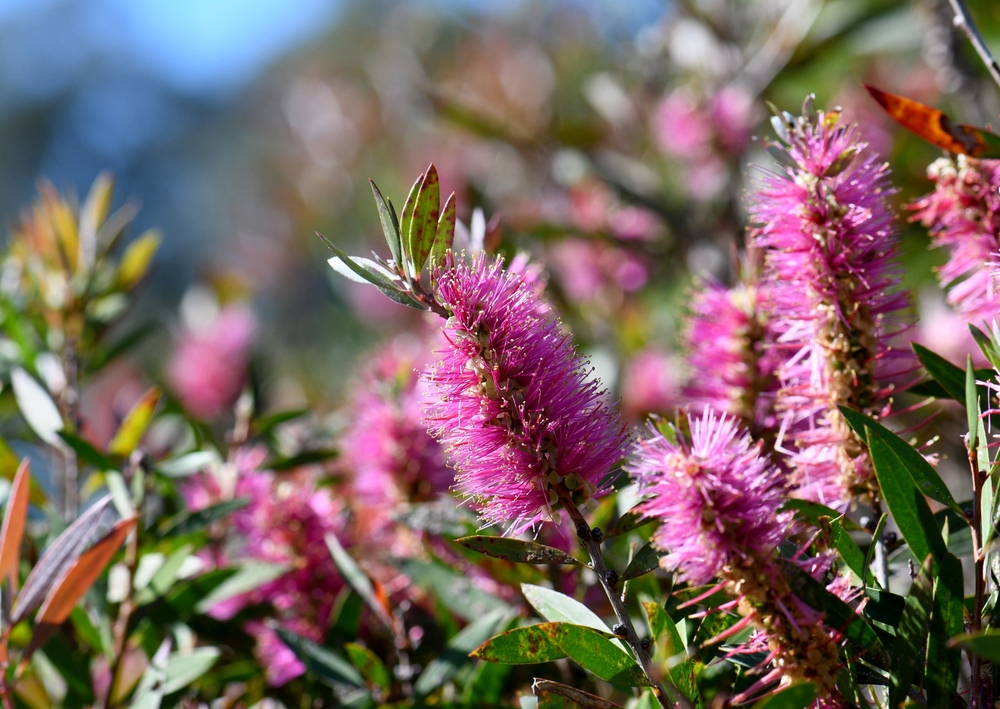
A well-planned native garden does not have to look dry, empty or unfinished. It can include colourful flowering plants, attractive shrubs, shade trees, groundcovers and practical outdoor spaces. The important part is selecting plants and landscaping features that suit the conditions of the property.
Why Native Garden Design Alice Springs Makes Sense
Alice Springs has a distinctive Central Australian climate. Summers can be extremely hot, winters can become cold, and rainfall is limited and unpredictable. These conditions affect how plants grow and how much attention a garden needs.
Australian native plants are often suitable for water-conscious landscaping because many have adapted to local or similar environmental conditions. However, not every Australian native plant is automatically suitable for Alice Springs. Plants from coastal or tropical regions may need more water or protection than species adapted to Central Australia’s conditions.
Choosing plants that are suited to the local climate can make a noticeable difference to the long-term condition of a garden.
There are several practical reasons to consider native landscaping:
- Better climate suitability: Carefully selected local and regional species can cope with conditions that may challenge plants from wetter climates.
- Reduced watering needs: Established plants suited to the site may require less supplementary watering than unsuitable alternatives.
- Less ongoing maintenance: The right plant selection can reduce the need for frequent replacement, trimming and other corrective work.
- Local character: Native landscaping can complement the surrounding Central Australian environment.
- Wildlife support: Appropriate flowering plants and vegetation can provide food and shelter for local wildlife.
The result is not simply a garden with native plants. It is an outdoor space designed around the conditions in which it needs to grow.
Understanding the Alice Springs Climate Before Planting
Before selecting plants, consider the conditions across the entire property. Two gardens in the same suburb can have different growing environments because of shade, soil, wind exposure and building orientation.
A garden bed beside a north-facing wall may receive strong sunlight and become particularly hot. Another area beneath an established tree may remain cooler for much of the day. These differences influence which plants are likely to perform well.
Central Australia also has varied soil conditions. Some areas have sandy, well-drained soils, while others may contain heavier clay that becomes compacted and drains poorly. Soil should be checked before planting rather than assuming every garden bed needs the same treatment.
Consider these questions during the planning stage:
- Which areas receive direct sunlight for most of the day?
- Where does afternoon shade fall?
- Does water drain away quickly or collect after irrigation?
- Are there existing trees or shrubs worth retaining?
- Are strong winds likely to affect exposed garden beds?
- How much room will mature plants need?
The Northern Territory Government’s Species Guide for Landscaping in the NT provides regional information about climate, soil and site conditions. It is a useful reference when planning a garden in Central Australia.
Choosing Suitable Native Plants for Your Garden
Plant selection should be based on the conditions of the site and the purpose of each garden area. A plant chosen for shade will have different requirements from one selected for screening, colour or ground coverage.
Rather than filling every garden bed with the same species, consider using a combination of plant types. This creates a more balanced appearance and gives the garden structure throughout the year.
1. Native Trees for Shade and Structure
Trees can make outdoor areas more comfortable by providing shade and helping define different parts of the property. They can also create a visual focal point in a garden.
Before planting a tree, consider its expected height, canopy spread, root development and distance from buildings, fences and underground services. A tree that looks small in a nursery can become a significant feature once established.
Choose species suitable for the available space and local conditions. It is also worth considering whether an existing mature tree can be retained rather than removed and replaced.
2. Native Shrubs for Privacy and Garden Shape
Shrubs help create layers within a landscape. They can be used along boundaries, around outdoor seating areas or between open lawn and garden beds.
A combination of different heights and forms usually looks more natural than a straight line of identical plants. However, spacing is important. Allow enough room for plants to reach their expected mature size without overcrowding one another.
3. Groundcovers to Fill Open Areas
Groundcovers can soften the appearance of garden beds and reduce the amount of exposed soil. Depending on the species and growing conditions, they may also help limit weed growth.
Use groundcovers that suit the amount of sunlight and available water in each location. Some may spread quickly, while others grow more slowly and need additional space to establish.
4. Native Grasses and Strappy Plants
Native grasses and strappy plants can add texture and movement without making the garden feel crowded. They work well around larger shrubs, along pathways and in decorative garden beds.
Their different leaf shapes and growth patterns can create visual interest even when flowering is limited.
5. Flowering Plants for Seasonal Colour
Flowering native plants can introduce colour and attract pollinators. When choosing them, consider flowering seasons, mature size and watering requirements.
A garden with a mix of flowering periods can look more interesting throughout the year than one that relies on a single seasonal display.
Planning a Garden That Is Attractive and Easy to Maintain
A successful native garden needs more than suitable plants. The layout should make everyday use and maintenance straightforward.
Start by dividing the outdoor area into practical sections. For example, you might have a shaded seating area, planting beds along the boundary, a clear pathway and an open space for family activities.
This approach helps avoid a common landscaping problem: filling every available area with plants without considering how people will use the garden.
Think about access to taps, irrigation lines, outdoor storage and maintenance equipment. Leave enough space to reach plants for pruning and inspection. Keep pathways clear and avoid placing large shrubs where they may block access or visibility.
Create Layers Instead of Planting Everything at One Height
A garden with trees, medium-sized shrubs, smaller plants and groundcovers often looks more established than a flat arrangement.
The taller plants provide structure, while smaller plants soften the edges. This layered approach can also help make garden beds feel complete without relying on excessive planting.
Do not overcrowd the space to achieve an instant full appearance. Plants need room for healthy growth, airflow and access to light.
Soil Preparation and Mulching Matter
Planting directly into poorly prepared soil can create problems later. Before installation, assess drainage, compaction and the condition of the existing soil.
Some garden beds may benefit from suitable organic matter, while others may need drainage improvements or a different planting approach. The correct treatment depends on the soil and the plants being used.
Mulch is another important part of garden preparation. A suitable mulch layer can reduce moisture loss from the soil, moderate soil temperature and help limit weed growth.
Apply mulch evenly while keeping it away from the base of tree trunks and plant stems. Too much mulch can create problems, particularly when it covers small plants or prevents water from reaching the soil properly.
Avoid assuming that every garden needs the same mulch depth or material. Choose an option that suits the plants, soil and overall design.
Native Garden Design Alice Springs Options: Comparing Common Features
Different garden elements serve different purposes. The following table can help homeowners decide which features may suit their outdoor space.
| Garden feature | Main purpose | Potential benefit | Planning consideration |
|---|---|---|---|
| Native shade trees | Provide shade and structure | More comfortable outdoor areas | Mature height and root spread |
| Native shrubs | Screening and garden structure | Adds privacy and visual depth | Spacing and pruning requirements |
| Groundcovers | Cover exposed soil | Can reduce bare patches and weeds | Spread and watering needs |
| Native grasses | Add texture and movement | Creates a natural appearance | Sunlight and mature width |
| Flowering natives | Introduce seasonal colour | Supports garden biodiversity | Flowering periods and plant suitability |
| Mulched garden beds | Protect soil surface | Helps reduce evaporation | Correct material and application |
| Drip irrigation | Deliver water near roots | More targeted watering | Layout, pressure and maintenance |
A good design does not need to include every feature. Select the elements that match the property’s size, the owner’s priorities and the available maintenance time.
How to Make a Native Garden More Water-Wise
Water efficiency should be considered before the first plant goes into the ground. A garden that needs constant watering to survive may not be the best choice for a dry Central Australian location.
Group plants with similar water requirements together. This makes it easier to manage watering without giving every garden bed the same amount of water.
Consider using drip irrigation for suitable planting areas. It can deliver water closer to the root zone when correctly installed and maintained. The system still needs regular inspection to make sure outlets are not blocked or leaking.
Mulching, suitable soil preparation and sensible plant spacing can also help reduce unnecessary water use.
The Australian Government’s YourHome guide to outdoor water use explains how plant selection, grouping plants by water needs, mulching and efficient irrigation can support lower-water gardens.
Common Mistakes to Avoid When Designing a Native Garden
Even a carefully chosen plant list can produce disappointing results if the overall layout is not suitable.
Some problems are easy to avoid when they are considered before installation.
Choosing Plants Only for Their Appearance
A plant may look beautiful at a nursery but struggle in a garden with intense afternoon sun or unsuitable soil. Check its climate suitability and growing requirements before purchasing.
Ignoring Mature Plant Size
Small plants need room to grow. Planting them too close together can lead to overcrowding, restricted airflow and additional pruning.
Using Too Much Water
More water does not always mean healthier plants. Excessive watering can affect soil conditions and may damage plants that are not suited to constantly wet roots.
Forgetting Maintenance Access
Garden beds should be designed so that plants can be reached without stepping through other areas or damaging nearby vegetation.
Removing Established Trees Without Considering Alternatives
Mature trees can be valuable features. Where practical and safe, consider how existing vegetation can be retained and incorporated into the new design.
When Is Professional Garden Planning Worth Considering?
Some homeowners enjoy designing and planting their own gardens. For a small garden bed, this may be manageable with basic research and careful preparation.
Larger outdoor areas can be more complicated. Different soil conditions, irrigation requirements, mature tree sizes and access considerations need to be brought together in one practical plan.
Professional assistance can be useful when:
- You are redesigning most of the outdoor area.
- Existing plants are struggling or repeatedly dying.
- You need a combination of shade, privacy and open space.
- The property has difficult soil or drainage conditions.
- You want to coordinate planting with irrigation and ongoing garden maintenance.
A planned approach can help avoid unnecessary plant replacement and reduce the chance of making expensive changes later.
Building a Garden That Can Grow With Your Property
A garden does not need to be completed in one stage. If the budget or available time is limited, divide the work into manageable sections.
You might begin with soil preparation, existing vegetation and the main planting areas. Paths, decorative features and additional groundcovers can follow later.
This staged approach allows you to see how the first plants perform before expanding the design. It also makes it easier to adjust the layout if a particular area receives more sunlight or needs different watering arrangements.
Keep a simple record of planting dates, species and watering changes. This information can be useful when reviewing the garden after its first summer and winter.
Conclusion: Plan a Native Garden That Suits Alice Springs
A successful garden starts with realistic decisions about the climate, soil, available water and the way you want to use your outdoor space. Suitable native plants, thoughtful spacing, mulch and an efficient watering plan can help create a garden that looks attractive without demanding unnecessary attention.
If you are planning a new outdoor space or want to improve an existing one, Totally Tidy can help you explore practical landscaping and garden maintenance options. Visit our garden maintenance service page to learn more, explore our website, or request a quote to discuss your garden requirements.
Frequently Asked Questions
1. What is the best approach to native garden design in Alice Springs?
Start by assessing the property’s sunlight, soil, drainage and available space. Then choose plants suited to Central Australia’s conditions and group them according to their watering requirements.
2. Are native gardens low maintenance?
They can be easier to maintain when suitable plants are selected and installed correctly. However, native gardens still need watering during establishment, occasional pruning, weed control and general care.
3. Do native plants need irrigation in Alice Springs?
Many established native plants can cope with dry conditions, but newly planted vegetation may need supplementary watering. The amount required depends on the species, soil and weather.
4. Can I combine native plants with decorative landscaping?
Yes. Native trees, shrubs and groundcovers can be combined with pathways, seating areas, gravel, mulch and other landscape features. The design should allow enough room for healthy plant growth.
5. When should I plan a native garden?
Planning can be done at any time, but planting should take local weather and the needs of the selected species into account. Preparing the soil and irrigation arrangements before planting can make establishment easier.