

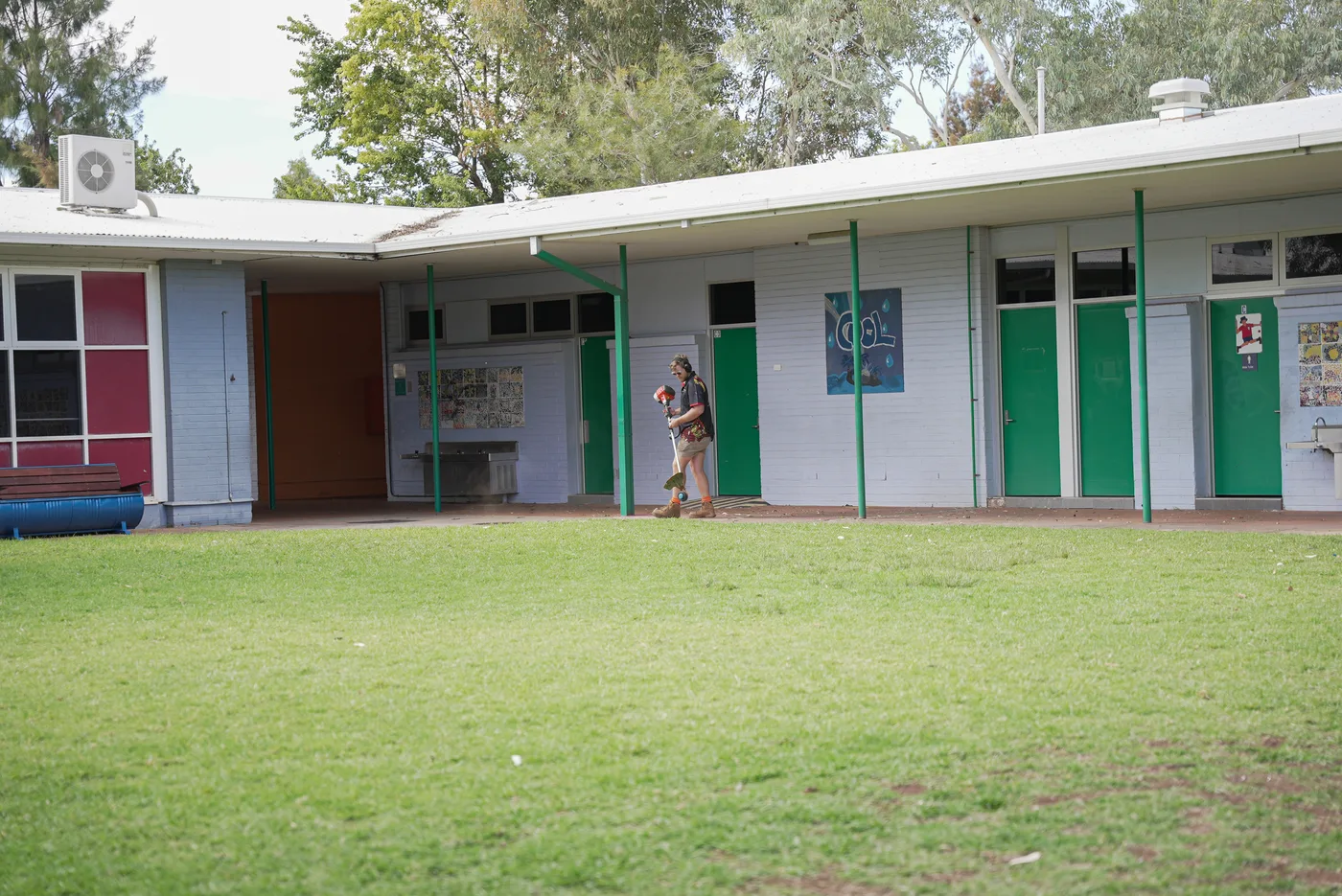
A neglected garden can happen surprisingly quickly. One busy month turns into another, weeds start appearing between paving, grass gets too long, fallen branches collect in corners and garden beds become difficult to see beneath the mess. In Alice Springs, the dry climate, dust, strong winds and sudden periods of rain can make the situation even more noticeable.
A proper garden clean up is often the easiest way to reset the space.It does not necessarily mean redesigning the entire garden or removing everything that has grown. Sometimes the job is simply about clearing accumulated debris, cutting back overgrowth, removing weeds and giving the lawn and garden beds some attention.
Once the outdoor area is under control, regular maintenance becomes much easier.For homeowners who have been putting off the job, the first step is understanding what actually needs to be done and how to approach it without creating more work than necessary.
Why Does a Garden Need a Regular Clean Up?
Outdoor areas naturally collect material over time. Leaves fall, branches break, grass grows, weeds spread and wind can move rubbish into corners that are easy to overlook.
Even a garden that receives regular mowing can eventually look untidy if the surrounding areas are not maintained.
A garden clean up gives you an opportunity to deal with those neglected areas at the same time. It can involve removing unwanted growth, clearing paths, collecting green waste and bringing garden beds back into view.
There is also a practical benefit. A cluttered yard can make it harder to spot damaged irrigation components, drainage issues, fallen branches or areas where plants are struggling.
Getting the space clear first makes future garden care much more straightforward.
What Does a Garden Clean Up Usually Include?
There is no single checklist that applies to every property.
A small suburban garden may only need weeds removed, lawns trimmed and green waste collected. A larger block that has been neglected for months could require slashing, branch removal, surface cleaning and more extensive clearing.
The condition of the property should determine the work rather than trying to follow a fixed package.
Depending on the garden, a thorough clean-up may involve:
- Removing fallen leaves, branches and garden debris
- Cutting back overgrown grass and unwanted vegetation
- Removing weeds from garden beds, paths and edges
- Tidying lawn edges and hard-to-reach areas
- Clearing accumulated green waste
- Trimming minor overgrowth around trees and palms
- Cleaning outdoor surfaces where dirt and debris have built up
- Removing unwanted items that have been left around the yard
Once those jobs are finished, the property is in a much better position for ongoing maintenance.
Why Alice Springs Gardens Need a Different Approach
Gardening in Alice Springs is not the same as maintaining an outdoor space in a cooler, wetter part of Australia.
The local environment can be harsh. Hot conditions, dry periods, dust, sandy or variable soils and inconsistent rainfall all affect lawns and plants. Strong weather events can also leave branches and other debris scattered across a property.
This means a garden clean up Alice Springs homeowners plan should take local conditions into account.
The aim is not simply to make everything look neat for a few days. It is to leave the outdoor area manageable and suitable for whatever maintenance comes next.
That might mean clearing excessive vegetation before mowing, removing debris before irrigation maintenance or opening up garden beds so weeds and plant health can be assessed properly.
Once the garden waste has been collected, it is important to dispose of it according to local requirements. The Alice Springs Town Council’s green waste disposal guidance explains which garden materials can be taken to the Regional Waste Management Facility and how different types of green waste should be separated
When Is the Best Time for a Garden Clean Up?
There is no single month when every property needs cleaning.
A clean-up may be useful after a period of heavy rain, strong winds, storms or rapid vegetation growth. It can also make sense before putting a property on the market, preparing for an outdoor event or starting a new landscaping project.
Some homeowners prefer to schedule a clean-up at the end of a busy period when the garden has been neglected.
Others use a once-off service to bring the yard under control before moving to a regular maintenance routine.
The important point is not to wait until the garden becomes completely unmanageable.
What Happens When Weeds Are Left Too Long?
Weeds are one of the first things to make a garden look neglected.
They compete with desirable plants for available water, nutrients and space. Once established, they can also make garden beds harder to maintain.
The Alice Springs Town Council provides local guidance on invasive grasses and notes that manual removal can be effective for smaller areas, particularly when plants are removed before they release seeds.
During a garden clean up, weeds can be addressed alongside other overgrowth rather than being treated as a completely separate job.
Removing them early also makes it easier to see what is actually growing in the garden.
Clearing Green Waste the Right Way
One of the biggest parts of a garden tidy-up is often the waste left behind.
Branches, leaves, grass clippings, weeds and other garden material can quickly create a sizeable pile. Simply moving it from one corner of the property to another does not solve the problem.
Alice Springs Town Council states that residential green waste can be taken to the Regional Waste Management Facility free of charge, provided it is separated from other household waste. It also provides specific guidance on different waste streams, so homeowners should check the current requirements before disposal.
This is an important part of planning a garden clean up because waste disposal should be considered before the work begins.
Does Garden Clean Up Include Lawn Care?
It can, depending on the condition of the property and the service being arranged.
A lawn that has become overgrown may need mowing or slashing before the rest of the yard can be properly assessed. Edging and whipper snipping can then give paths, garden beds and boundaries a cleaner finish.
Regular lawn maintenance is different from a once-off clean-up, though.
The purpose of the initial work is to restore control. Ongoing mowing and edging then help keep the property from returning to the same condition.
The local garden-maintenance service includes mowing, edging and whipper snipping as part of its broader garden care offering.
What About Garden Beds?
Garden beds can become difficult to manage when weeds, fallen leaves and dead plant material accumulate.
Start by identifying what should remain. Not every plant that looks untidy needs to be removed.
Dead material can be cleared, weeds can be addressed and overgrown sections can be trimmed where appropriate. Once the bed is visible again, it becomes much easier to decide whether additional planting, mulching or irrigation work is needed.
A garden clean up should therefore be about improving the condition of the space rather than stripping it back unnecessarily.
This approach is particularly useful for established gardens where homeowners want to retain mature plants.
Why Remove Fallen Branches and Debris?
Branches and other debris are not just an eyesore.
They can obstruct paths, collect moisture, interfere with mowing and make it harder to access garden beds. Larger branches can also become a safety concern if they have fallen near frequently used areas.
After strong winds or storms, it is worth checking the entire property rather than only the front yard.
Look behind sheds, around fences, beneath trees and along side passages. These are common places for debris to accumulate without being noticed.
A proper garden clean up should cover the areas that are easy to forget, not just the parts visitors can see from the street.
What About Palms and Minor Tree Work?
Palm fronds can quickly make an otherwise tidy garden look neglected.
Dead fronds and other minor overgrowth can also become difficult to handle when they are left for long periods.
The local yard-clean-up service lists palm trimming and minor tree work among the services available, alongside slashing, surface cleaning and waste removal.
However, homeowners should distinguish between minor garden tidying and substantial tree work.
Large trees, dangerous branches or complex pruning should be assessed by an appropriately qualified tree professional where required.
Can a Clean Garden Help With Water Management?
It can certainly make irrigation easier to inspect and maintain.
When grass, weeds and debris become excessive, irrigation components can be difficult to access. Blocked or damaged emitters may go unnoticed because the surrounding vegetation hides them.
A clear garden also makes it easier to see whether water is reaching the areas where it is needed.
The Alice Springs Town Council recommends using mulch to reduce water loss and heat or cold stress on plants, while also advising residents to water at appropriate times and ensure irrigation is directed where it is needed.
That means a garden clean up can be a useful starting point before making broader changes to irrigation or planting.
Garden Clean Up vs Regular Garden Maintenance
These two services are related, but they are not identical.
A clean-up is usually about restoring an outdoor area that has become difficult to manage. Regular maintenance is about preventing that decline from happening again.
For example, a property may first need weeds removed, long grass cut back, debris cleared and garden beds tidied. Once that work is complete, regular mowing, edging, hedging and weed control can keep the space in reasonable condition.
The garden-maintenance service available locally includes these ongoing tasks as well as irrigation maintenance.
This combination can work particularly well for homeowners who have fallen behind and do not want to repeat a large clean-up every few months.
When Should You Consider Professional Help?
A small garden can often be handled over a weekend.
The problem is that bigger properties can require much more time than expected. What looks like a few hours of work may involve several loads of green waste, heavy cutting, difficult access and equipment that most homeowners do not keep at home.
Professional help can be useful when:
- The yard has become heavily overgrown or has been neglected for an extended period.
- There is more green waste than can reasonably fit in household bins or be transported easily.
- Long grass, weeds, branches or debris are spread across a large property.
- You want the yard restored before beginning regular maintenance.
- You have limited time or cannot safely handle the physical work.
- A property needs to be prepared for sale, tenants, visitors or a new landscaping project.
The objective is not to make every homeowner hire someone. It is to recognise when the job has moved beyond a manageable weekend task.
How Often Should You Do a Garden Clean Up?
Frequency depends on the property.
A small, regularly maintained garden may only need a more thorough clean-up once or twice a year. A larger block or property surrounded by vegetation may require more frequent attention.
Weather also plays a role.
After strong winds, periods of rain or rapid growth, the garden may need additional work. Properties that are vacant for extended periods can also deteriorate quickly.
Rather than choosing a rigid schedule, look for practical warning signs. When pathways become obstructed, weeds start spreading, green waste piles up or the lawn becomes difficult to manage, it may be time for another clean-up.
Preparing Your Garden Before a Clean-Up
A little preparation can make the job easier.
Move outdoor furniture, toys, pots and garden equipment away from the areas that need attention. Identify items that should remain on the property and point out any areas that require particular care.
If irrigation components, outdoor lighting or other fixtures are hidden beneath overgrowth, mention them before work starts.
It is also useful to decide how unwanted items should be handled.
Garden waste, household rubbish, old furniture and appliances may have different disposal requirements. The local waste facility accepts a wide range of materials but has separate arrangements for different waste types.
What Should You Do After a Garden Clean Up?
The easiest way to protect the result is to establish a maintenance routine.
Do not allow weeds to regain control. Keep lawns at a manageable height, trim hedges when needed and remove fallen debris before it accumulates.
Check irrigation regularly and watch for areas where plants are becoming stressed.
Mulching can also help with moisture management. The Alice Springs Town Council specifically recommends mulch as a way to reduce water loss and help plants cope with temperature stress.
The goal is simple: make the next clean-up smaller than the last one.
Garden Clean Up Checklist
| Area | What to check | Why it matters |
| Lawn | Long or uneven grass | Makes the property look neglected and can make further maintenance harder |
| Garden beds | Weeds, dead material and overgrowth | Helps plants remain visible and easier to care for |
| Paths | Leaves, branches, dirt and debris | Keeps access areas clearer and safer |
| Trees and palms | Fallen or dead material | Reduces clutter and improves the appearance of the yard |
| Irrigation | Visible leaks, blocked components or poor coverage | Helps identify maintenance issues before they worsen |
| Fences and boundaries | Overgrown vegetation | Prevents edges from becoming difficult to access |
| Green waste | Branches, leaves, weeds and clippings | Prevents waste from accumulating around the property |
| Outdoor areas | Unwanted furniture or rubbish | Creates a cleaner and more usable space |
How to Keep the Yard Tidy Afterward
Once the major work is complete, consistency matters more than doing another huge clean-up.
Spend a little time each week checking the lawn, paths and garden beds. Remove small amounts of debris before they become a large pile.
Keep an eye on weeds, particularly after periods of rain.
If the property has a lawn, keep mowing on a sensible schedule rather than waiting until the grass becomes difficult to manage. Hedges and shrubs should also be trimmed before excessive growth makes the job harder.
A simple routine can turn a major garden clean up into a much smaller maintenance task.
Conclusion
A neglected garden does not need to remain a source of frustration. Clearing overgrown grass, weeds, branches, debris and unwanted items can make an outdoor area feel usable again and provide a clean starting point for ongoing care.
For homeowners in Alice Springs, local conditions make regular attention especially useful. Dry weather, dust, wind and sudden growth can quickly change the appearance of an outdoor space, so dealing with small problems before they become major ones is worthwhile.
If your property needs a once-off reset or ongoing assistance, Totally Tidy provides garden maintenance and yard clean-up services across Alice Springs and surrounding areas. Its services include mowing, edging, whipper snipping, weed control, hedging, irrigation maintenance, slashing, surface cleaning, waste removal and minor garden work.
You can learn more through the garden maintenance service or request a quote for your property.