

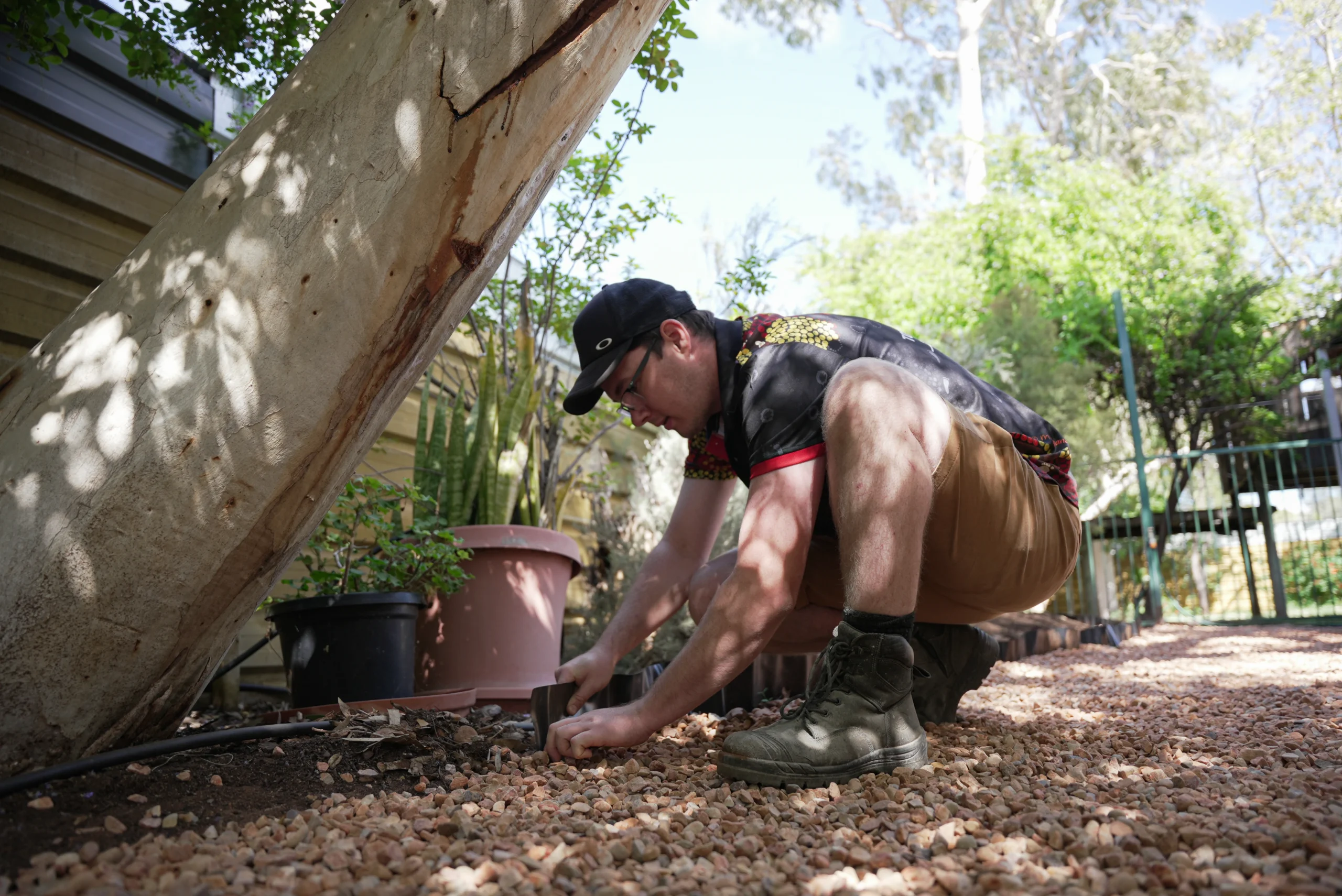
A garden in Alice Springs does not get much room for watering mistakes. The climate is dry, temperatures can climb sharply, and every wasted litre matters. When an irrigation line stops working, the obvious temptation is to grab a wrench, dig around the garden and fix whatever looks broken.
Irrigation systems are deceptively simple from above. A sprinkler pops up, water comes out, and the garden stays alive. Beneath the surface of Alice Springs properties, complex setups often rely on timely irrigation repair when pipes, valves, electrical connections, controllers, filters, or multiple watering zones fail, as a fault in one component can easily affect another section metres away.
Alice Springs adds another layer to the problem. Harsh sunlight can age exposed plastics, dust can affect moving sprinkler parts, and dry ground can make underground work surprisingly stubborn. Water pressure can also reveal weaknesses that were not obvious during installation. Professional irrigation repair accounts for these local conditions and focuses on restoring reliable water delivery rather than simply making a sprinkler spray again.
Why DIY Irrigation Fixes Often Go Wrong
DIY work is not automatically bad. Small maintenance jobs can be manageable when the fault is obvious, and the person doing the work understands the system. The trouble starts when a simple fix becomes an investigation. A blocked sprinkler might actually have a filter issue, while a dry garden zone might require irrigation system repair for a faulty valve.
Another issue is incorrect replacement parts. Irrigation components can look remarkably similar while operating differently. A nozzle with the wrong flow rate can upset the balance of a zone. A valve installed incorrectly can create pressure problems. A connector that looks secure above ground may still leak underground.
There is also the hidden cost of repeated DIY attempts. A homeowner may spend hours finding a leak, buying fittings, and replacing them, only to discover the original diagnosis was wrong. Time has value, as do wasted parts and extra water bills—making professional sprinkler system repair a far more efficient choice.
Broken Sprinklers Can Point to Larger Problems
A broken sprinkler repair may seem like one of the easiest jobs in the system. A damaged head can often be identified quickly, but replacing it without checking why it failed can miss the wider issue. Proper irrigation troubleshooting reveals whether physical damage came from garden tools or if repeated blockages point toward debris and water-quality concerns.
The sprinkler heads should also fit the zone. Different spray patterns and flow rates can affect overall balance. Replacing visually similar parts does not always suffice. Different output from a head can alter amounts of water reaching surrounding plants or cause dry or overly wet areas.
A professional irrigation leak repair visit can be useful even when the damaged component looks obvious. The technician can inspect nearby heads, check pressure, and confirm that the replacement suits the existing layout. That additional work helps prevent a simple replacement from becoming the start of another round of uneven watering.
Valves Control the System From Behind the Scenes
Valves don’t get much attention unless something goes wrong. But they are central to the operation of the system in that they control when water is allowed in each irrigation zone. Cleaning, replacing internal components, fixing wiring, or outright replacing a broken valve are all things that fall under irrigation valve repair. The right solution depends on whether the problem is mechanical, electrical, or related to water flow.
A valve that stays open can cause continuous watering, while a valve that fails to open can leave an entire garden zone dry. These faults can be mistaken for controller problems because the symptoms appear at the watering schedule. Testing the valve directly helps separate the control signal from the physical operation of the component.
In professional irrigation repair, the condition of the adjacent connections should be considered as well. If you replace a valve and leave damaged fittings, you could be just delaying the next leak. Another factor to consider is accessibility. Valves are frequently buried or boxed in boxes that catch dirt and debris. By working carefully, you will protect the surrounding pipework and make future maintenance easier.
Professional Irrigation Repair Begins With Accurate Diagnosis
| Inspection Area | Purpose |
| Water Pressure | Detect pressure loss or blockages |
| Irrigation Valves | Check proper operation |
| Pipe Network | Locate hidden leaks |
| Sprinkler Performance | Ensure even coverage |
| Irrigation Controller | Test programming and wiring |
| Drainage | Prevent water pooling |
Underground Pipes Create Hidden Repair Challenges
Unlike a standard irrigation controller repair, fixing damaged pipes can become messy quickly because the section often sits beneath turf, mulch, paving, or established plants. The temptation is to start digging wherever a wet patch appears, but underground water movement can make the visible moisture quite far from the actual break.
Pipe failures can result from age, ground movement, accidental damage, or poor connections. A fitting may separate while the pipe itself remains intact. In other cases, a crack can develop below the surface and continue releasing water whenever the zone operates. Professional irrigation repair aims to locate the damaged section accurately before unnecessary excavation begins.
The quality of the replacement matters as well. A repair fitting needs to suit the pipe size and system conditions. Temporary joins may stop water escaping but can become another failure point later. Proper installation reduces the likelihood of repeated digging. That is particularly valuable in established gardens where every excavation can disturb roots, edging and carefully maintained landscaping.
Irrigation Maintenance Reduces Future Repairs
Waiting until the system completely fails often results in larger repair costs. Routine irrigation maintenance helps identify worn components before they become expensive emergencies.
Professional irrigation maintenance generally includes:
- Valve inspections
- Controller testing
- Pipe pressure checks
- Sprinkler alignment
- Leak detection
- Seasonal adjustments
- Cleaning filters
- System performance testing
Regular servicing keeps irrigation systems operating efficiently while extending the life of every component.
Professional Diagnosis Can Reduce Repeated Call-Outs
One advantage of using an irrigation specialist is the ability to diagnose the system as a whole. A specialist can identify whether a fault comes from water pressure, electrical control, valves, pipes, sprinklers, or programming. That broader view matters when several symptoms appear at once and ensures you achieve a truly water-efficient irrigation setup.
Experienced technicians also tend to notice patterns that matter when saving water in the garden. A particular type of connector may fail repeatedly. A valve box may collect water because of its location. A section of pipe may be vulnerable because of ground movement. These observations can change the repair recommendation.
Professional irrigation repair can therefore reduce the cycle of temporary fixes. There is nothing wrong with replacing a faulty component when that is all the system needs. The problem is replacing parts without testing the conditions that caused the failure. Good diagnosis gives homeowners more information and makes repair spending easier to justify.
DIY Irrigation Repair Has a Place, But Limits Matter
DIY irrigation repair tips can be useful for basic checks such as cleaning sprinkler heads, observing coverage and checking controller settings. Simple maintenance can help identify obvious faults before professional assistance is required. The important boundary comes when diagnosis becomes uncertain or when underground pipes, electrical components and pressurized water systems are involved.
Safety and property damage are practical concerns. Digging without knowing where pipes run can create additional breaks, while incorrect pressure adjustments can ruin a new irrigation installation. Electrical connections should never be treated casually, particularly around outdoor watering equipment where water and power interact.
The sensible approach is to match the job to the level of confidence and knowledge available. Cleaning a blocked nozzle may be straightforward. Locating an underground leak or diagnosing an intermittent valve fault is another matter. Professional irrigation repair becomes more valuable as the fault becomes less obvious, the system becomes more complex, and the potential cost of getting it wrong increases.
Professional Irrigation Repair Offers Long-Term Value
The strongest case for professional irrigation repair is not that every DIY fix will fail. Plenty of homeowners can handle basic irrigation maintenance. The stronger point is that professional diagnosis becomes valuable when a system has hidden faults, multiple components, or recurring failures. Experience shortens the path between symptom and cause, and that can save both water and time.
A professional repair also provides an opportunity to test the system after the work is complete. Sprinklers can be checked for coverage, valves can be operated, and controller zones can be reviewed against the original irrigation system design. That final testing matters, as a repair that simply stops visible leaking has not necessarily restored the whole system.
For Alice Springs properties, dependable watering has real practical value. Gardens need consistent irrigation, household water use needs sensible management and equipment must cope with a demanding climate. Professional irrigation repair helps restore reliability without relying on guesswork.
Choosing the Right Repair Approach
Before arranging irrigation repair, it helps to record what the system is doing. Note which zones work, which areas remain dry, whether water appears unexpectedly, ly and whether the controller follows its programmed schedule. These observations give a technician useful information before arriving.
Irrigation system maintenance protects more than just pipes and sprinklers. It protects the landscaping that relies on them. Mature gardens are the product of years of growth, planning, and expense. Lack of watering can cause a surprising amount of stress to plants if you’re getting hot weather, as they may have come to rely on a regular supply of water.
Local experience is useful because Alice Springs conditions can influence equipment performance. Outdoor systems face heat, dust and demanding watering conditions, so material choice and maintenance can matter. A professional who understands the local environment can recommend repairs with those conditions in mind.
Conclusion
Professional irrigation repair offers a practical advantage when the fault is hidden, recurring or connected to several components. Proper diagnosis can identify whether the issue involves pipes, valves, sprinklers, wiring, pressure or programming. That matters in Alice Springs, where inefficient watering can waste a valuable resource and unreliable irrigation can place stress on established gardens.
DIY work still has a place for straightforward maintenance. Cleaning sprinkler heads, checking controller settings and observing watering coverage can all be useful. The line becomes clearer when excavation, electrical faults, underground leaks or repeated failures enter the picture.
A reliable irrigation system should quietly do its job without becoming a weekly troubleshooting project. When watering patterns change, leaks appear, or sprinklers stop performing properly, early attention usually makes financial sense.
Contact us today – a qualified local irrigation professional for diagnosis, repairs, or a complete system assessment before a small watering fault turns into a larger garden and water-use problem.
Frequently Asked Questions
1. Is professional irrigation repair worth the cost?
Home-made repairs that don’t work or are difficult to see, or problems with underground parts, can make professional irrigation repair a good investment. An expert irrigation repair technician can test and confirm the fix to cut water waste and avoid unnecessary digging.
2. How can irrigation problems be diagnosed?
Diagnosis usually begins by running each zone to see how water pressure, spray coverage or cycle times change. The technician will conduct a thorough check of the valves, sprinkler heads, pipework, wiring, and timer box. Professional irrigation repair is about finding the root cause of the problem, not replacing the first bad part they see.
3. How often should an irrigation system be checked?
Regular checks of watering systems are essential, especially right before the height of summer. Take the time to look for failing sprinklers, leaking valves, exposed pipe fittings and controller drift. Because of the extreme local climate, Alice Springs gardens require regular irrigation repair and maintenance to reduce water waste and prevent heat stress to plants.
4. Can a leaking irrigation pipe be repaired?
Yes, many leaks in irrigation pipes can be fixed by replacing the damaged section or fitting. The first challenge is finding the actual leak, especially if the pipe is buried under turf, mulch, or established planting. Expert irrigation repair can reduce the amount of needless digging and help to keep replacement connections tight.
5. Why are sprinklers watering unevenly?
Clogged nozzles, spray arcs aimed incorrectly, low pressure, broken hardware, or recent changes to your garden usually cause dry spots or uneven coverage. Just turning up the run times will not fix the underlying problem and ends up wasting water. Expert professional irrigation repair identifies the precise fault, balances it, and brings even coverage back to every affected zone.
6. When should DIY irrigation work stop?
DIY maintenance can be suitable for simple tasks when the fault is obvious, and the repair is understood. Professional help becomes more appropriate when underground pipes, electrical connections, valves, recurring leaks, ks or unexplained pressure problems are involved.