

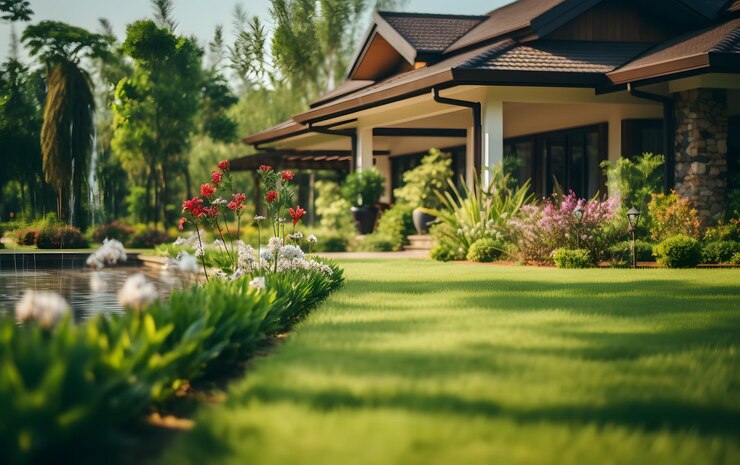
A good garden is not simply a collection of plants. It is a living part of your property that needs to suit the climate, available space, the way you use the yard and the amount of care you can realistically provide. That is where softscaping services can make a noticeable difference. Instead of treating every garden in the same way, softscaping brings together plants, lawns, shrubs, garden beds, mulch and other living features to create an outdoor space that feels planned rather than pieced together.
In a place such as Alice Springs, the design needs even more thought. Hot, dry conditions, low and unpredictable rainfall and different soil conditions can make plant selection and water management challenging. You can explore the available softscaping service options before deciding which approach suits your property. The Northern Territory Government notes that Central Australia has an arid to semi-arid climate, with low rainfall and soils that can vary considerably.
What Do Softscaping Services Actually Include?
Softscaping services focus on the living and growing parts of a landscape. This can include lawns, trees, shrubs, flowering plants, groundcovers and garden beds, along with the soil, mulch and planting arrangements that help those elements work together.
Unlike hard landscaping, which usually involves fixed structures such as retaining walls, paving, paths or patios, softscaping changes and grows over time. That means the design should consider not only how the garden looks on day one, but also how plants will develop over the next few years.
The goal is to create an outdoor area that feels natural, useful and connected to the property. A well-planned softscape can soften building lines, improve privacy, add colour and make an otherwise plain yard feel more welcoming.
For homeowners, softscaping services can be useful when starting with an empty yard, refreshing an outdated garden or improving an outdoor area that has become difficult to manage.
Why Softscaping Services Matter in Alice Springs
Alice Springs gardens cannot always be planned using the same approach as gardens in wetter parts of Australia. The climate puts pressure on plants, while water needs to be used thoughtfully.
The Northern Territory Government’s landscaping guidance explains that Central Australia experiences hot summers, cold winters, low rainfall and generally sandy, well-drained soils, although areas with higher clay content can become compacted and drain poorly. The guide also notes that native vegetation is well adapted to local conditions.
This makes plant choice particularly important. A plant that looks attractive in a nursery may not be the right fit for a hot, dry yard. Choosing species suited to the site can reduce unnecessary replacement, improve garden resilience and make ongoing care more manageable.
Good softscaping services also look beyond individual plants. The position of a garden bed, mulch depth, exposure to afternoon sun, drainage and access to irrigation can all affect how well a new landscape performs.
How Softscaping Services Can Transform a Garden
A well-designed softscape can change the appearance and function of a yard without relying on expensive structural additions. The right plants, spacing and layout can make a noticeable difference.
1. Create a Stronger Garden Layout
A garden can look untidy even when it is maintained if the plants have no clear relationship with one another. Grouping plants by height, texture, colour and water requirements creates a stronger visual structure.
Tall plants can sit towards boundaries or areas where screening is useful. Medium shrubs can create transitions, while smaller plants and groundcovers can fill open areas. This layered approach helps the garden feel fuller without simply adding more plants.
2. Add Colour and Texture
Colour is one of the easiest ways to make an outdoor area feel more inviting, but texture matters just as much. Fine leaves beside broader foliage, upright plants beside spreading forms and different shades of green can create interest even when flowers are not in bloom.
Softscaping services can help homeowners balance these features instead of choosing plants individually without considering the finished composition.
3. Make Outdoor Areas More Comfortable
Plants can make outdoor spaces feel less exposed. Strategic planting can create privacy, frame a seating area or soften the view of a fence or building.
Shade trees and suitable shrubs can also improve the character of an outdoor living area. The aim is to place plants where they provide a clear benefit while leaving enough room for movement and everyday use.
4. Improve Kerb Appeal
The front garden often shapes a visitor’s first impression of a property. Clean planting lines, healthy greenery and a well-defined garden bed can make a home look cared for without requiring an elaborate design.
A coordinated softscape can also make different parts of a property feel connected. Instead of having random plants scattered around the yard, each planting area can contribute to a consistent overall look.
5. Support Easier Garden Care
A beautiful garden that demands constant attention can quickly become frustrating. A better approach is to match the planting plan with the owner’s available time.
This is where softscaping services provide practical value. Selecting suitable plants, grouping them according to their needs and using mulch around planting areas can reduce unnecessary work.
Choosing Plants for a Dry Climate
Plant selection should begin with the site rather than with a favourite plant. Consider sunlight, soil, drainage, available water, mature size and the amount of maintenance expected.
Local plant resources can be helpful when building a shortlist. Alice Springs Town Council’s native plant database includes local and Australian species with information such as plant type, distribution, growth rate and mature dimensions.
Native plants are not automatically maintenance-free, but species adapted to local conditions can be a sensible starting point. The Australian Government’s Department of Climate Change, Energy, the Environment and Water explains that native vegetation supports soil stability, wildlife habitat and broader ecosystem health.
When planning softscaping services, it is also worth considering how large each plant will become. A shrub that looks small when planted can eventually crowd paths, windows or other plants. Leaving enough growing room from the beginning can prevent major pruning or removal later.
The Role of Mulch and Soil Preparation
Planting is only part of establishing a healthy garden. The condition of the soil and the way the surface is protected can make a major difference.
Mulch can help reduce evaporation, protect soil from temperature extremes and suppress some weed growth. Alice Springs Town Council specifically recommends mulch as a water-saving measure and advises adjusting irrigation with the seasons.
Before planting, soil may need to be improved or prepared according to the site’s characteristics. Poor drainage, compacted areas and uneven soil can create problems that become harder to fix once plants are established.
A considered approach to softscaping services therefore starts below the surface as well as above it.
Softscaping and Irrigation Should Work Together
Plants need water, but more water is not necessarily better. Overwatering can waste resources and create conditions that some plants cannot tolerate, while insufficient watering can cause stress during hot periods.
In Alice Springs, irrigation planning should be considered alongside planting rather than added as an afterthought. Drip irrigation can be useful for garden beds because water can be delivered close to plants rather than sprayed across areas that do not need it. The local council also recommends checking drippers and irrigation lines regularly for leaks and adjusting watering schedules across seasons.
The Central Australian Ultimate Irrigation User Guide, launched in 2026, provides practical advice designed specifically for households and businesses in the region’s arid climate.
A well-planned garden should therefore connect three things: the plants selected, the soil around them and the way water reaches them. This is an important part of effective softscaping services.
Native plants are not automatically maintenance-free, but species adapted to local conditions can be a sensible starting point. The Australian Government’s Departmentof Climate Change, Energy, the Environment and Water provides information on the importance of native vegetation for biodiversity, habitat and healthy landscapes.
What to Consider Before Starting a Softscape Project
Before work begins, think about how the garden will actually be used. A family with children may need open lawn space, while another homeowner may prefer planting areas that create privacy and a quieter atmosphere.
Budget matters too, but it should not be the only consideration. The cheapest plant or material can become expensive if it fails in local conditions or needs frequent replacement.
Before starting, ask yourself:
- How much time can I spend maintaining the garden?
- Which parts of the yard receive full sun or shade?
- Where does water collect after rain?
- Which areas need privacy or screening?
- Do I want lawn, planting beds or a mix of both?
- How will the garden look when the plants reach mature size?
Answering these questions before planting can prevent many common design mistakes.
A Practical Softscaping Services Comparison
| Garden element | What it adds | Key consideration in Alice Springs | Maintenance focus |
|---|---|---|---|
| Native or climate-suitable shrubs | Structure, colour and screening | Choose plants suited to heat and local soil | Pruning and seasonal checks |
| Garden beds | Definition and visual interest | Prepare soil and plan drainage | Weeding, mulch and plant care |
| Lawn areas | Open space and usability | Select suitable turf and manage irrigation carefully | Mowing, edging and watering |
| Groundcovers | Helps fill bare areas | Check sun, soil and water requirements | Trimming and weed control |
| Trees | Shade, height and character | Allow for mature size and root space | Pruning and establishment watering |
| Mulch | Helps protect soil and reduce evaporation | Use an appropriate depth and keep clear of stems | Top-up as it breaks down |
Planning Softscaping Services for Long-Term Results
A successful garden should become easier to manage as it matures, not harder. That means thinking about growth, access and maintenance before the first plant goes into the ground.
Garden makeovers are often most successful when they combine removal of unsuitable growth with a clear planting strategy. Plant selection and installation should then follow the conditions of the site rather than a generic plant list. Garden bed design can provide structure, while ongoing maintenance keeps the original plan looking intentional as the plants mature.
This is why professional softscaping services are about more than putting plants into the ground. The real value is in connecting design decisions with the realities of the property.
For example, fast-growing shrubs need enough space from paths and buildings. Plants with different water requirements should not always be placed together in a small bed. Lawn also needs to be matched with sunlight, soil and irrigation conditions.
Planning these details early can prevent avoidable problems and reduce the amount of corrective work required later.
When Should You Consider Softscaping?
There is no single right time to improve a garden. A softscape project may be worthwhile when an outdoor area feels bare, disconnected, overgrown or difficult to maintain.
It can also be useful when you want to create more privacy around outdoor living areas, improve the appearance of a front garden or bring consistency between different sections of a property.
A project does not always need to involve the entire yard. One garden bed, a side passage or a front entry can be redesigned first, with other areas improved later.
How to Plan a Softscaping Project
Start with the outcome you want rather than a list of plants. Decide whether your priority is shade, privacy, colour, lower maintenance, usable lawn space or a combination.
Next, assess the site. Note the sun exposure, soil condition, drainage, existing irrigation and mature size of plants already in place.
Then create a planting plan. Group plants according to their needs and allow enough room for future growth. Think about how the garden will look in different seasons rather than focusing only on its appearance immediately after installation.
Finally, plan for maintenance. Even a low-maintenance garden needs some pruning, watering, weed management and seasonal attention. Building those tasks into the original design makes the finished space easier to manage.
Professional softscaping services can be particularly useful when you are unsure how these different elements should work together. A site-specific approach can help turn a broad garden idea into a realistic plan.
Conclusion
The best garden is not necessarily the one with the most plants. It is the one where the planting, layout, soil, water use and maintenance requirements make sense together. In Alice Springs, that means designing with the local climate rather than fighting against it.
Well-planned softscaping services can turn an ordinary yard into a more comfortable, attractive and practical outdoor space while helping homeowners make smarter decisions about plant selection and ongoing care. From a simple garden refresh to a complete planting redesign, the right approach starts with understanding the property.
If you are ready to improve your outdoor space, Totally Tidy can help you plan a softscape solution suited to your property and local conditions. You can request a quote to discuss your project and find a practical way forward.